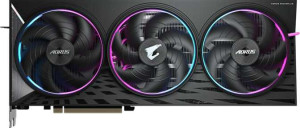
The foundational feature set is largely shared between these two cards. Both support DirectX 12 Ultimate, OpenGL 4.6, ray tracing, 3D output, and up to 4 simultaneous displays — so neither has an exclusive claim on broad compatibility or modern API support. The RTX 5060 Ti does carry a minor edge with OpenCL 3 versus OpenCL 2.2 on the RX 9070 XT, which could matter for specific GPU compute applications, but for the vast majority of gaming and general use cases this distinction is negligible.
The most consequential differentiator in this group is upscaling support. The RTX 5060 Ti supports DLSS, Nvidia's AI-driven upscaling technology, while the RX 9070 XT does not — though it is worth noting that AMD's own upscaling solution (FSR) is not listed in the provided specs for either card, so no inference can be drawn there. DLSS has broad adoption in modern game titles and can deliver significant frame rate gains with minimal perceived quality loss, making its presence a meaningful practical advantage for gamers targeting higher framerates or smoother performance at elevated resolutions.
One area where the RX 9070 XT holds an exclusive feature is RGB lighting, which the RTX 5060 Ti lacks — relevant for aesthetics-focused builders but inconsequential for performance. On balance, the RTX 5060 Ti holds the advantage in this group strictly due to DLSS support, which represents a tangible in-game benefit that the RX 9070 XT cannot match based on the data provided here.