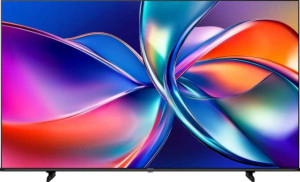
Hisense 43E7Q 43"
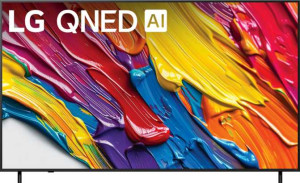
LG 43QNED82AUA 43"

Hisense 43E7Q 43" LG 43QNED82AUA 43"

Overview

When choosing between the Hisense 43E7Q 43″ and the LG 43QNED82AUA 43″, buyers are faced with two compelling 43-inch 4K TVs that share a strong common foundation yet diverge in some meaningful ways. This comparison explores their key battlegrounds, including HDR format support, display panel technology, physical design, connectivity options, and long-term ownership factors like power efficiency and warranty coverage.

Common Features

  • Both TVs have a 4K (UHD) display resolution of 3840 x 2160 px.
  • Both TVs have a pixel density of 102 ppi.
  • Both TVs support 1070 million display colors with a 10-bit bit depth.
  • Both TVs have a native refresh rate of 60Hz.
  • HDR10 support is available on both TVs.
  • HLG support is available on both TVs.
  • Both TVs have Bluetooth 5 and Wi-Fi support, including Wi-Fi 4 (802.11n) and Wi-Fi 5 (802.11ac).
  • Both TVs include 3 HDMI 2.1 ports and 1 RJ45 port.
  • Miracast support is available on both TVs.
  • Dolby Digital, Dolby Digital Plus, Dolby Atmos, and Dolby Audio support are present on both TVs.
  • Digital Out support is available on both TVs.
  • Stereo speakers are included on both TVs.
  • SRS TheaterSound HD is not available on either TV.
  • Dolby Virtual support is not available on either TV.
  • Both TVs support VESA mounting.
  • AirPlay is available on both TVs.
  • Both TVs have a built-in smart TV platform.
  • Both TVs are compatible with Google Assistant and Amazon Alexa.
  • Siri and Apple HomeKit support is not available on either TV.
  • USB recording support is available on both TVs.

Main Differences

  • The display technology is QLED, LED-backlit, LCD on the Hisense 43E7Q 43″ and LED-backlit, LCD, Mini-LED on the LG 43QNED82AUA 43″.
  • The screen size is 43″ on the Hisense 43E7Q 43″ and 43.1″ on the LG 43QNED82AUA 43″.
  • HDR10+ support is available on the Hisense 43E7Q 43″ but not on the LG 43QNED82AUA 43″.
  • Dolby Vision support is available on the Hisense 43E7Q 43″ but not on the LG 43QNED82AUA 43″.
  • The number of USB ports is 2 on the Hisense 43E7Q 43″ and 1 on the LG 43QNED82AUA 43″.
  • A 3.5 mm audio jack is present on the Hisense 43E7Q 43″ but not on the LG 43QNED82AUA 43″.
  • Width is 963 mm on the Hisense 43E7Q 43″ and 967.7 mm on the LG 43QNED82AUA 43″.
  • Weight is 6900 g on the Hisense 43E7Q 43″ and 9798 g on the LG 43QNED82AUA 43″.
  • Thickness is 74 mm on the Hisense 43E7Q 43″ and 50.8 mm on the LG 43QNED82AUA 43″.
  • Height is 560 mm on the Hisense 43E7Q 43″ and 566.4 mm on the LG 43QNED82AUA 43″.
  • Volume is 39906.72 cm³ on the Hisense 43E7Q 43″ and 27843.748224 cm³ on the LG 43QNED82AUA 43″.
  • Operating power consumption is 48W on the Hisense 43E7Q 43″ and 82W on the LG 43QNED82AUA 43″.
  • The warranty period is 3 years on the Hisense 43E7Q 43″ and 1 year on the LG 43QNED82AUA 43″.
Specs Comparison
Hisense 43E7Q 43"

Hisense 43E7Q 43"

LG 43QNED82AUA 43"

LG 43QNED82AUA 43"

Display:
display resolution 4K (UHD) 4K (UHD)
Display type QLED, LED-backlit, LCD LED-backlit, LCD, Mini-LED
screen size 43" 43.1"
resolution 3840 x 2160 px 3840 x 2160 px
pixel density 102 ppi 102 ppi
display colors 1070 million 1070 million
bit depth 10-bit 10-bit
refresh rate 60Hz 60Hz
supports HDR10
supports HDR10+
supports Dolby Vision
supports HLG
has anti-reflection coating
has an ambient light sensor
maximum horizontal viewing angle 178º 178º
maximum vertical viewing angle 178º 178º

At a foundational level, both the Hisense 43E7Q and the LG 43QNED82AUA share an identical resolution of 3840 x 2160 px at 102 ppi, a 10-bit color pipeline capable of rendering over a billion colors, and a native 60Hz refresh rate. Their viewing angles, anti-reflection coatings, and ambient light sensors are also matched spec-for-spec, meaning neither holds a structural advantage in terms of panel geometry or brightness adaptability.

The most meaningful divergence lies in two areas: backlight architecture and HDR format support. The LG uses a Mini-LED backlight, which in principle enables finer local dimming zones and potentially superior contrast control compared to the Hisense's conventional QLED LED-backlit approach. However, the HDR ecosystem tells a different story: the Hisense supports HDR10+ and Dolby Vision in addition to the baseline HDR10 and HLG that both share, while the LG supports neither of those advanced formats. This is a significant gap — Dolby Vision in particular is the dominant premium HDR standard on most streaming platforms today, and its absence on the LG means content mastered with dynamic tone-mapping metadata will fall back to standard HDR10.

On balance, the Hisense 43E7Q holds a clear display advantage for most users. Its broader HDR format compatibility — especially Dolby Vision — has more direct, everyday impact on streaming picture quality than the theoretical contrast benefits of Mini-LED at this screen size and price tier. Unless LG's local dimming implementation is demonstrably superior in practice, the Hisense's HDR versatility makes it the stronger choice based strictly on the provided specs.
Connectivity:
Has Bluetooth
HDMI version HDMI 2.1 HDMI 2.1
HDMI ports 3 3
supports Wi-Fi
Wi-Fi version Wi-Fi 4 (802.11n), Wi-Fi 5 (802.11ac) Wi-Fi 4 (802.11n), Wi-Fi 5 (802.11ac)
Bluetooth version 5 5
USB ports 2 1
RJ45 ports 1 1
supports Miracast
has a socket for a 3.5 mm audio jack
has an external memory slot
has a VGA connector
has a DVI connector

The wireless and wired backbone of these two TVs is largely identical: both offer HDMI 2.1 across three ports, a shared Wi-Fi 5 and Bluetooth 5 stack, a dedicated RJ45 ethernet port, and Miracast support for screen mirroring. For most home theater setups — including 4K sources, soundbars, and gaming consoles — this shared foundation is more than sufficient.

The differences are small in count but meaningful in practice. The Hisense 43E7Q includes 2 USB ports versus just one on the LG, which matters for users who want to simultaneously connect a USB drive for local media playback and a USB-powered device like a streaming stick or keyboard dongle without needing a hub. More notably, the Hisense also retains a 3.5 mm audio jack, which the LG omits entirely — a convenient option for plugging in headphones or a basic speaker directly without relying on Bluetooth or ARC.

Neither TV introduces a dramatic connectivity gap, but the Hisense holds a practical edge here. Its extra USB port and headphone jack add everyday flexibility that real users will notice, while the LG offers nothing in this group to offset those absences.

Audio:
supports Dolby Digital
supports Digital Out
supports Dolby Digital Plus
has SRS TheaterSound HD
has stereo speakers
has Dolby Atmos
has Dolby Audio
supports Dolby Virtual
has a subwoofer
HDMI ARC / eARC HDMI ARC, HDMI eARC HDMI ARC, HDMI eARC

Audio is the one specification group where these two TVs are in complete lockstep. Both support Dolby Atmos, Dolby Digital Plus, and Dolby Audio, and both include HDMI ARC and eARC — the latter being the more important of the two, as eARC carries lossless audio formats like Dolby TrueHD and DTS:X to a compatible soundbar without compression, which is the standard expectation for any modern home theater chain.

This is a straightforward tie. Every meaningful audio capability listed is shared identically between the Hisense 43E7Q and the LG 43QNED82AUA, so audio specifications should carry no weight in a purchasing decision between these two models.

Design:
width 963 mm 967.7 mm
weight 6900 g 9798 g
thickness 74 mm 50.8 mm
height 560 mm 566.4 mm
volume 39906.72 cm³ 27843.748224 cm³
Supports VESA mount

At 43 inches, both TVs occupy virtually the same footprint — width and height differ by only a few millimeters — and both support VESA mounting, so wall installation is an option either way. The more telling contrast is in the thickness-to-weight relationship. The LG 43QNED82AUA is notably slimmer at 50.8 mm versus the Hisense's 74 mm, resulting in a significantly smaller overall volume. That slimmer profile is a genuine aesthetic advantage for wall-mounted setups where panel depth is visible from the side.

Weight, however, cuts the other direction. Despite its slimmer chassis, the LG is considerably heavier at 9798 g compared to the Hisense's 6900 g — nearly 3 kg more. That gap matters during installation: a heavier panel is harder to maneuver solo, places more stress on wall mounts, and demands closer attention to stud placement and bracket load ratings. For tabletop placement the weight difference is largely irrelevant, but for wall mounting it is a real practical consideration.

Design is a split verdict depending on priority. The LG edges ahead on aesthetics with its slimmer depth, while the Hisense is the easier install at nearly 30% lighter. Users mounting the TV themselves — especially alone — will likely appreciate the Hisense's lighter frame; those prioritizing a flush, low-profile wall look will lean toward the LG.

Features:
release date April 2025 April 2025
has AirPlay
has built-in smart TV
compatible with Google Assistant
works with Alexa
works with Siri/Apple HomeKit
supports a remote smartphone
has a rechargeable remote control
supports USB recording
operating power consumption 48W 82W
standby power consumption 0.5W 0.5W
has a search browser
has a sleep timer
has a child lock
warranty period 3 years 1 years
has voice commands

Smart platform parity is essentially complete between these two TVs: both run a built-in smart system with AirPlay, Google Assistant, Alexa, smartphone remote support, USB recording, and the full suite of convenience features like sleep timer and child lock. Neither supports Apple HomeKit, so that limitation is shared equally and shouldn't factor into a choice between them.

Where the gap opens up is in power consumption and warranty coverage. The Hisense 43E7Q draws 48W during operation versus the LG's 82W — a difference of over 70%. For a TV used several hours daily, that translates into meaningfully lower electricity costs over time. The standby draw is identical at 0.5W, so the savings are purely in active use. On warranty, the Hisense again pulls ahead with a 3-year coverage period compared to just 1 year on the LG — three times the manufacturer protection, which reduces long-term ownership risk considerably.

The Hisense holds a clear advantage in this group. Its significantly lower power draw and substantially longer warranty are concrete, quantifiable benefits that compound over the ownership period, while the LG offers nothing in this category to compensate for those gaps.

Comparison Summary & Verdict

Both the Hisense 43E7Q 43″ and the LG 43QNED82AUA 43″ deliver a solid 4K experience with matching refresh rates, audio capabilities, and smart platform features. However, their differences reveal two distinct value propositions. The Hisense stands out with its broader HDR format support — covering HDR10+, Dolby Vision, HDR10, and HLG — along with more USB ports, a 3.5 mm audio jack, significantly lower power consumption at 48W, and an impressive 3-year warranty. It is also lighter and easier to accommodate in tighter spaces. The LG, on the other hand, uses a Mini-LED backlight that can deliver enhanced contrast, and has a slimmer profile at just 50.8 mm thick. Buyers who prioritize HDR versatility, connectivity, energy savings, and long-term peace of mind will find the Hisense compelling, while those who value slim aesthetics and Mini-LED panel technology may lean toward the LG.

Hisense 43E7Q 43
Buy Hisense 43E7Q 43" if...

Buy the Hisense 43E7Q 43″ if you want broader HDR support including Dolby Vision and HDR10+, lower power consumption, more connectivity options, and the reassurance of a 3-year warranty.

LG 43QNED82AUA 43
Buy LG 43QNED82AUA 43" if...

Buy the LG 43QNED82AUA 43″ if you prioritize a slimmer design profile and Mini-LED backlight technology for enhanced contrast performance.