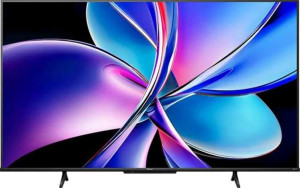
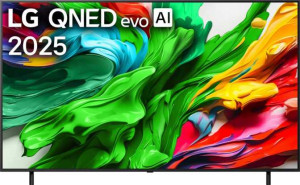
At the foundational level, both TVs are evenly matched: same 4K (3840 x 2160) resolution, 68 ppi pixel density, 10-bit color depth rendering 1.07 billion colors, a 144Hz refresh rate, and identical 178° horizontal and vertical viewing angles. Both also include anti-reflection coating and an ambient light sensor, meaning neither has a structural advantage in sharpness, smoothness, or everyday usability.
The most significant split between these two panels is HDR ecosystem support. The Hisense 65E7Q Pro covers the full spectrum — HDR10, HDR10+, Dolby Vision, and HLG — ensuring compatibility with virtually every HDR-mastered title across streaming platforms, Blu-ray, and broadcast content. The LG 65QNED85AUA, by contrast, supports only HDR10 and HLG, omitting both HDR10+ and Dolby Vision. In practice, this means LG viewers will miss out on dynamic, scene-by-scene tone mapping that HDR10+ and Dolby Vision provide, which is a tangible quality gap when watching content mastered in those formats. This is a clear and meaningful disadvantage for the LG.
For gaming, the Hisense again pulls ahead: it supports AMD FreeSync Premium Pro in addition to the base FreeSync tiers, while the LG tops out at FreeSync Premium. FreeSync Premium Pro adds Low Framerate Compensation and HDR support within the variable refresh rate pipeline — a real benefit for gamers running demanding titles at variable frame rates. Overall, the Hisense 65E7Q Pro holds a clear display advantage, particularly in HDR versatility and gaming-grade adaptive sync, despite the two panels being otherwise spec-for-spec identical.