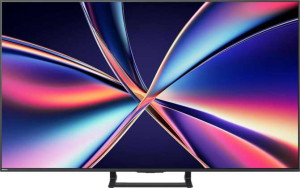
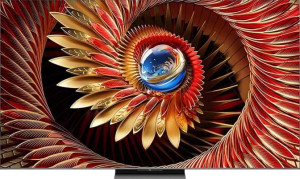
Both the Hisense 65E8Q and the TCL 65C8K share the same 65″ 4K (3840 x 2160) panel size, 68 ppi pixel density, 10-bit color depth, and 1070 million colors, making them evenly matched on the fundamentals. Both also support the full suite of HDR formats — HDR10, HDR10+, Dolby Vision, and HLG — alongside a 144Hz refresh rate, anti-reflection coating, and an ambient light sensor. For motion handling, color volume, and format compatibility, neither TV holds an advantage.
The single but decisive differentiator is brightness. The Hisense lists a typical brightness of 450 nits, while the TCL delivers a remarkable 4500 nits — a full 10× more. In real-world terms, this gap is transformative: higher peak brightness directly determines how vivid and impactful HDR highlights appear, and how well a TV combats glare in a sun-drenched living room. At 450 nits, the Hisense can render HDR content adequately in a controlled environment, but the TCL's output puts specular highlights — think sunlight on water or stadium floodlights — in an entirely different league of realism. The TCL also adds QLED (quantum dot) to its panel technology, which widens the color gamut and boosts color saturation at high brightness levels, further compounding its luminance advantage.
The TCL 65C8K has a clear and significant edge in this category. Unless the Hisense's stated 450-nit figure represents only its SDR typical output and its true HDR peak is substantially higher (which the provided data does not indicate), the brightness and QLED advantage make the TCL the stronger performer for HDR content and brightly lit viewing environments.