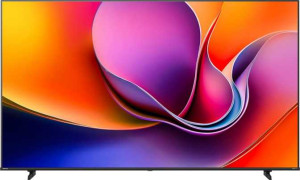
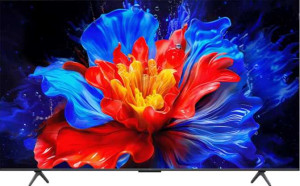
The connectivity foundations of both TVs are largely identical: HDMI 2.1 across all ports, matching Wi-Fi 4/5 dual-band wireless, a shared RJ45 Ethernet port, Miracast screen mirroring, a 3.5mm audio jack, and the same DVB tuner standard coverage. Neither offers an external memory slot or legacy video connectors, so on the basics, users of either set will have a very similar day-to-day connectivity experience.
The meaningful differences lie in two areas: HDMI port count and Bluetooth version. The TCL 75P8K provides 4 HDMI ports versus the Hisense's 3 — a practical advantage for users running a full home theater stack (console, soundbar, streaming stick, Blu-ray player) without needing a switch. On Bluetooth, the TCL's version 5.4 is a step ahead of the Hisense's 5.0, bringing incremental improvements in connection stability, lower latency, and slightly better energy efficiency — benefits most relevant when pairing wireless headphones or audio accessories. Conversely, the Hisense 75A6Q offers 2 USB ports versus the TCL's single port, giving it a small edge for users who frequently connect USB drives or peripherals simultaneously.
This group is closely contested, but the TCL 75P8K holds a narrow overall edge thanks to the extra HDMI port and newer Bluetooth standard — both of which have real utility in a modern living room setup. The Hisense's dual USB ports partially offset this, making it the better choice specifically for users who rely heavily on USB-connected devices.