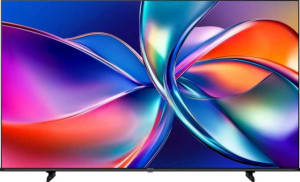
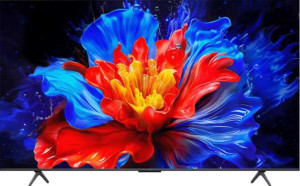
At the foundation, both the Hisense 85E7Q and the TCL 85P8K share the same core display DNA: identical QLED, LED-backlit LCD panels at 3840 x 2160 (4K UHD) resolution, a 52 ppi pixel density, 10-bit color depth rendering 1.07 billion colors, and identical 178° viewing angles both horizontally and vertically. Both also support the full suite of HDR formats — HDR10, HDR10+, Dolby Vision, and HLG — meaning neither will leave you without compatibility regardless of your streaming service or disc format. Anti-reflection coating and an ambient light sensor are present on both as well.
Where the two sets meaningfully diverge is in refresh rate and peak brightness. The TCL 85P8K offers a 144Hz native refresh rate versus the Hisense's 60Hz — a difference that matters considerably for fast-motion content. At 144Hz, sports, action films, and especially gaming appear dramatically smoother, with far less motion blur and judder. For gaming in particular, a higher refresh rate enables lower input lag and compatibility with variable refresh rate technologies. The Hisense at 60Hz is perfectly adequate for casual TV viewing, but it is a real limitation for anyone prioritizing fluid motion. On brightness, the TCL edges ahead at 450 nits typical versus 400 nits, a modest 12.5% advantage that translates to slightly better HDR pop and improved visibility in bright living rooms, though neither figure is considered high-brightness by premium TV standards.
The TCL 85P8K holds a clear advantage in this display category. The 144Hz refresh rate is the standout differentiator — it is a hardware capability the Hisense simply cannot match, and its real-world impact on motion clarity is noticeable to most viewers, not just enthusiasts. The slightly higher brightness adds a further, if smaller, edge. For users prioritizing smooth motion, gaming, or simply future-proofing their purchase, the TCL is the stronger choice on display specs alone.