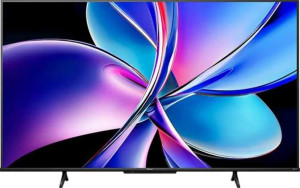
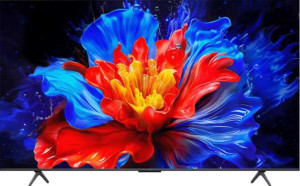
Both the Hisense 85E7Q Pro and the TCL 85P8K share the same fundamental display foundation: QLED LED-backlit LCD panels running at 4K (3840 x 2160) resolution, a 144Hz refresh rate, 10-bit color depth rendering 1.07 billion colors, and full HDR support across all four major formats — HDR10, HDR10+, Dolby Vision, and HLG. At this screen size, both sit at 52 ppi, and both offer wide 178° viewing angles horizontally and vertically, along with anti-reflection coatings and ambient light sensors. For most users, these shared traits define the core viewing experience, and on paper they are nearly indistinguishable.
The meaningful differences come down to two specs. First, the TCL edges ahead on typical brightness at 450 nits versus the Hisense's 400 nits — a 12.5% advantage that, while not dramatic, does translate to marginally better HDR highlight punch and improved visibility in bright rooms. Second, and more significantly for a specific audience, the Hisense holds a clear lead in adaptive sync tier: it supports AMD FreeSync Premium Pro, which adds low-framerate compensation and mandatory HDR support to the variable refresh rate pipeline, compared to the TCL's entry-level AMD FreeSync. This matters primarily to PC gamers and console players who push the panel with variable frame rates in HDR.
In summary, these two displays are closely matched for general home theater use. The TCL 85P8K holds a slight edge for brightness-sensitive environments, while the Hisense 85E7Q Pro has the advantage for gaming, particularly for those using a PC or a console with FreeSync Premium Pro support. Neither product dominates outright — the right choice depends on whether your priority is peak luminance or gaming-grade sync quality.