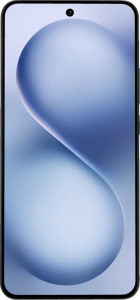
On paper, these two displays are nearly identical — both OLED/AMOLED panels, both running at 120Hz, both hitting 460 ppi pixel density, and both supporting Always-On Display. The screen sizes are also functionally the same (6.7″ vs 6.67″), and the resolution difference of 1280 vs 1260 horizontal pixels is imperceptible in real-world use. For everyday tasks like browsing, streaming, or reading, either panel will feel sharp and fluid.
The standout divergence is brightness. The Honor 400 Pro claims a staggering 5000 nits of typical brightness versus the Vivo S30's 1300 nits. This is not a marginal gap — it is a fundamental difference in outdoor usability. At 5000 nits, the Honor 400 Pro can remain clearly legible in direct sunlight conditions where most phones struggle. The S30's 1300 nits is a respectable figure and adequate for most indoor and partly-lit outdoor scenarios, but it cannot compete in harsh daylight. For users who frequently use their phone outside, this gap is highly consequential.
The Vivo S30 counters with one meaningful hardware advantage: branded damage-resistant glass, which the Honor 400 Pro lacks. This provides a degree of scratch and impact protection that matters for long-term screen durability. Taken together, the Honor 400 Pro holds a clear edge in display performance — particularly brightness — while the S30 offers better physical screen protection. If display quality under all lighting conditions is the priority, the Honor 400 Pro wins this category decisively.