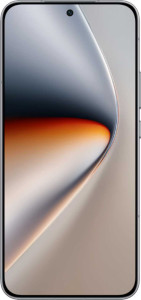
The connectivity foundations are solid and largely identical — both phones bring 5G, Wi-Fi 7, Bluetooth 5.4, NFC, and dual-SIM support to the table. The divergences, however, are telling. The Samsung Galaxy S25 adds Wi-Fi 6E support, giving it access to the less congested 6 GHz band for faster and more stable wireless connections in dense environments. More significantly, it also supports 2 eSIM slots alongside its 2 physical SIMs — a major flexibility advantage for frequent travelers or users who want to juggle multiple carriers without swapping physical cards.
The USB gap is worth highlighting. The GT Pro uses USB 2.0, while the S25 steps up to USB 3.2 — a difference that translates to dramatically faster wired data transfers. For users who regularly move large files such as 4K video footage between phone and computer, this is a practical daily-use consideration. On the sensor side, each phone holds one exclusive: the Honor GT Pro carries an infrared sensor, useful for controlling TVs and appliances, while the Galaxy S25 includes a barometer for altitude and weather sensing, plus ANT+ support for connecting fitness equipment and sports accessories.
Weighing it all up, the Samsung Galaxy S25 has the broader connectivity edge — its USB 3.2 speed, eSIM flexibility, Wi-Fi 6E support, barometer, and ANT+ compatibility collectively represent a more versatile feature set. The GT Pro's infrared blaster is a genuinely useful convenience for home electronics control, but it does not offset the S25's advantages across the more impactful connectivity categories.