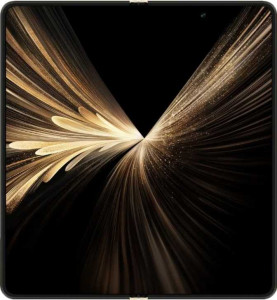
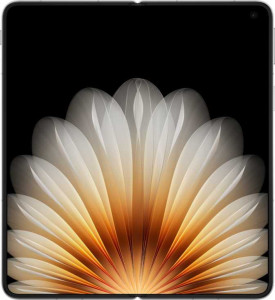
At the silicon level, these two devices are virtually identical. Both run on the Qualcomm Snapdragon 8 Elite — a 3nm chip with an 8-thread CPU clocked at 2 x 4.32 GHz and 6 x 3.53 GHz — paired with the same Adreno 830 GPU, 16GB of LPDDR5 RAM at 5300 MHz, and 1TB of internal storage. Every architectural metric, from cache sizes and memory bandwidth to GPU clock speed and TDP, is a carbon copy. In practical terms, both phones will handle demanding tasks — gaming, multitasking, AI workloads — with equal capability on paper.
The one meaningful data point that separates them is the AnTuTu benchmark score. The Honor Magic V5 scores 2,640,100, while the Oppo Find N5 scores 2,274,385 — a gap of roughly 16%. Since the underlying hardware is identical, this difference most likely reflects how each manufacturer has tuned their thermal management and performance governor software. A higher AnTuTu score suggests the Magic V5 is able to sustain peak performance more aggressively within its thermal envelope, which can matter in prolonged intensive workloads like extended gaming sessions or heavy video editing.
Overall, performance is the closest category between these two phones, and for the vast majority of real-world tasks neither will feel faster than the other. That said, based strictly on the provided data, the Magic V5 holds a measurable benchmark advantage, suggesting better-tuned performance headroom from the same chipset.