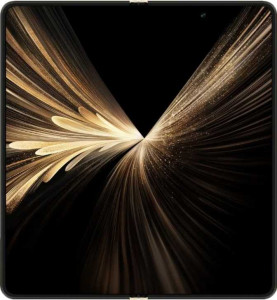
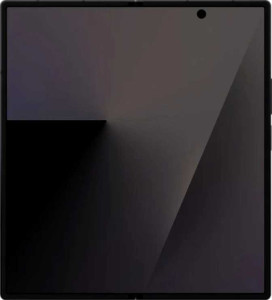
The main camera systems take fundamentally different approaches. The Magic V5 spreads resolution evenly across its triple array at 64, 50, and 50 MP, while the Galaxy Z Fold 7 leads with a dominant 200 MP primary sensor — a massive pixel count that enables aggressive detail capture and flexible in-sensor cropping for zoom shots. Aperture philosophy also diverges: the Z Fold 7's primary lens opens to f/1.7, meaningfully wider than the Magic V5's f/2.5 main aperture, which translates to a real low-light advantage for the Samsung in dimly lit scenes. Both offer 3x optical zoom, OIS, phase-detection and laser autofocus, so the fundamentals of tracking and stabilization are equally covered.
Where the Z Fold 7 pulls decisively ahead is in capability depth. It supports 8K video recording at 4320p, versus the Magic V5's ceiling of 4K at 60fps — a meaningful distinction for videographers who want the highest resolution capture available on a smartphone. The Z Fold 7 also shoots in RAW format, an essential feature for photographers who post-process images, and its sensors carry BSI and CMOS designations confirming optimized light-gathering architecture. The Magic V5 lacks all three of these. The Z Fold 7 additionally features an under-display front camera, keeping the inner screen completely uninterrupted — a design advantage for both media consumption and video calls on the main panel.
The Samsung Galaxy Z Fold 7 holds a clear overall camera edge. Its higher-resolution primary sensor, wider aperture, RAW shooting, 8K video, and under-display selfie camera collectively represent a more capable and versatile imaging system. The Magic V5's evenly distributed multi-lens resolution is competitive for everyday shooting, but users who prioritize low-light performance, professional photo workflows, or top-tier video will find the Z Fold 7 the stronger tool.