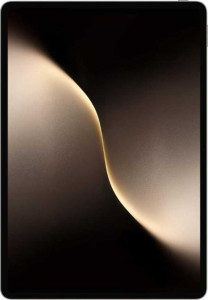
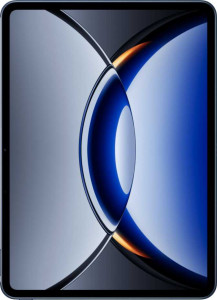
The most immediately noticeable physical difference between these two tablets is weight. The Honor MagicPad 3 weighs 595 g, while the OnePlus Pad 3 comes in at 675 g — a difference of 80 g that is genuinely perceptible during extended handheld use. For reading, media consumption, or any scenario where the tablet is held rather than rested on a surface, the MagicPad 3's lighter frame translates into less fatigue over time. It is also marginally thinner (5.8 mm vs 6 mm) and occupies a smaller overall volume (343.3 cm³ vs 364.4 cm³), reinforcing its advantage in portability and one-handed grip comfort.
The single most impactful differentiator in this group, however, is accessory bundling. The OnePlus Pad 3 includes a stylus in the box, while the MagicPad 3 does not. For users who intend to annotate documents, sketch, or take handwritten notes, this is a meaningful out-of-the-box value advantage — a bundled stylus eliminates an additional purchase cost. Notably, neither tablet offers tilt sensitivity, which limits the depth of pressure-sensitive drawing for professional artists, but for everyday note-taking the included stylus on the OnePlus Pad 3 is still a practical benefit. Both tablets share the same shortcomings: no detachable or backlit keyboard included, and no water resistance rating.
In terms of overall design, neither product holds a universal advantage. The MagicPad 3 leads on form factor — it is lighter, slightly slimmer, and more compact, making it the better choice for users who prioritize portability and comfort in handheld use. The OnePlus Pad 3 counters with its bundled stylus, adding practical value for productivity-oriented users at no extra cost, even if it carries a heavier and slightly bulkier chassis as a trade-off. The right choice here depends squarely on use case: portability favors the MagicPad 3, while stylus-driven productivity favors the OnePlus Pad 3.