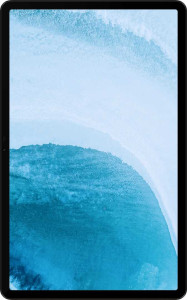
Honor Pad X9a
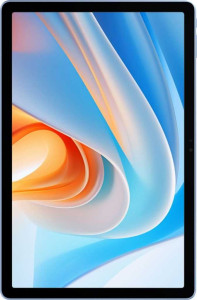
Itel VistaTab 30 Pro

Honor Pad X9a Itel VistaTab 30 Pro

Overview

When choosing between the Honor Pad X9a and the Itel VistaTab 30 Pro, the decision is far from straightforward. These two tablets take noticeably different approaches to display sharpness and portability, raw processing performance, camera versatility, and battery capacity. Whether you prioritize a crisp, lightweight slate for media consumption or a larger, more feature-rich device for everyday productivity, this detailed specification comparison will help you find the right fit.

Common Features

  • Neither product includes a stylus.
  • Neither product has a detachable keyboard.
  • Neither product has a backlit keyboard.
  • Neither product offers water resistance.
  • Both products feature an LCD IPS display.
  • Neither product has branded damage-resistant glass.
  • Neither product supports HDR10.
  • Both products have a touchscreen.
  • Neither product has a sapphire glass display.
  • Neither product supports HDR10+.
  • Both products have 8GB of RAM.
  • Both products have an external memory slot.
  • Both products use a 6 nm semiconductor.
  • Both products support 64-bit processing.
  • Both products have integrated LTE.
  • Both products use big.LITTLE technology.
  • Both products have integrated graphics.
  • Both products have 8 CPU threads.
  • Both products can record video at 1080p 30fps on the main camera.
  • Both products have a front camera.
  • Both products have a built-in HDR mode.
  • Both products support slow-motion video recording.
  • Both products have manual white balance.
  • Both products have continuous autofocus when recording movies.
  • Neither product has a front-facing LED flash.
  • Both products have manual ISO control.
  • Both products have stereo speakers.
  • Neither product has a radio.
  • Both products support fast charging.
  • Neither product has wireless charging.
  • Both products have a battery level indicator.
  • Both products have a rechargeable battery.
  • Neither product has a removable battery.
  • Both products support Wi-Fi 5 (802.11ac) and Wi-Fi 4 (802.11n).
  • Both products have on-device machine learning.
  • Both products have clipboard warnings.
  • Both products have location privacy options.
  • Both products have camera and microphone privacy options.
  • Both products can block app tracking.
  • Neither product blocks cross-site tracking.
  • Both products support split screen.
  • Neither product has Mail Privacy Protection.
  • Both products use DDR4 memory.

Main Differences

  • Weight is 475 g on Honor Pad X9a and 689 g on Itel VistaTab 30 Pro.
  • Thickness is 6.8 mm on Honor Pad X9a and 7 mm on Itel VistaTab 30 Pro.
  • Screen size is 11.5″ on Honor Pad X9a and 13″ on Itel VistaTab 30 Pro.
  • Resolution is 2508 x 1504 px on Honor Pad X9a and 1920 x 1200 px on Itel VistaTab 30 Pro.
  • Pixel density is 254 ppi on Honor Pad X9a and 174 ppi on Itel VistaTab 30 Pro.
  • Internal storage is 128GB on Honor Pad X9a and 256GB on Itel VistaTab 30 Pro.
  • The chipset is Qualcomm Snapdragon 685 4G on Honor Pad X9a and Mediatek Helio G99 on Itel VistaTab 30 Pro.
  • The GPU is Adreno 610 on Honor Pad X9a and Mali G57 on Itel VistaTab 30 Pro.
  • CPU speed is 4 x 2.8 & 4 x 1.9 GHz on Honor Pad X9a and 2 x 2.2 & 6 x 2 GHz on Itel VistaTab 30 Pro.
  • Geekbench 6 multi-core score is 1510 on Honor Pad X9a and 1979 on Itel VistaTab 30 Pro.
  • Geekbench 6 single-core score is 473 on Honor Pad X9a and 729 on Itel VistaTab 30 Pro.
  • DirectX version is 12 on Honor Pad X9a and 11 on Itel VistaTab 30 Pro.
  • GPU clock speed is 1260 MHz on Honor Pad X9a and 950 MHz on Itel VistaTab 30 Pro.
  • RAM speed is 2133 MHz on Honor Pad X9a and 4266 MHz on Itel VistaTab 30 Pro.
  • GPU turbo speed is 1260 MHz on Honor Pad X9a and 2133 MHz on Itel VistaTab 30 Pro.
  • Maximum memory amount is 16GB on Honor Pad X9a and 12GB on Itel VistaTab 30 Pro.
  • Android version is Android 15 on Honor Pad X9a and Android 13 on Itel VistaTab 30 Pro.
  • Main camera resolution is 8 MP on Honor Pad X9a and 13 & 2 MP on Itel VistaTab 30 Pro.
  • Front camera resolution is 5MP on Honor Pad X9a and 8MP on Itel VistaTab 30 Pro.
  • A flash is present on Itel VistaTab 30 Pro but not available on Honor Pad X9a.
  • In-camera panorama creation is supported on Honor Pad X9a but not on Itel VistaTab 30 Pro.
  • A video light is present on Itel VistaTab 30 Pro but not on Honor Pad X9a.
  • Battery power is 8300 mAh on Honor Pad X9a and 10000 mAh on Itel VistaTab 30 Pro.
  • App offloading is supported on Honor Pad X9a but not on Itel VistaTab 30 Pro.
  • Battery health check is available on Honor Pad X9a but not on Itel VistaTab 30 Pro.
  • A cellular module is present on Itel VistaTab 30 Pro but not on Honor Pad X9a.
  • GPS is available on Itel VistaTab 30 Pro but not on Honor Pad X9a.
  • Bluetooth version is 5.1 on Honor Pad X9a and 5.0 on Itel VistaTab 30 Pro.
  • Download speed is 390 MBits/s on Honor Pad X9a and 650 MBits/s on Itel VistaTab 30 Pro.
  • Galileo navigation support is present on Itel VistaTab 30 Pro but not on Honor Pad X9a.
  • Voice commands are supported on Itel VistaTab 30 Pro but not on Honor Pad X9a.
Specs Comparison
Honor Pad X9a

Honor Pad X9a

Itel VistaTab 30 Pro

Itel VistaTab 30 Pro

Design:
weight 475 g 689 g
thickness 6.8 mm 7 mm
Stylus included
Has a detachable keyboard
Has a backlit keyboard
water resistance None None
Has tilt sensitivity

The most consequential difference in this design group comes down to weight. The Honor Pad X9a weighs 475 g, while the Itel VistaTab 30 Pro comes in at a notably heavier 689 g — a gap of 214 g, which is roughly the weight of a large smartphone. In practical terms, this matters significantly during extended reading sessions, video calls held in portrait mode, or any scenario where the tablet is held in one hand for prolonged periods. The VistaTab 30 Pro's heft will cause hand and wrist fatigue noticeably faster.

Thickness is essentially a non-factor here: 6.8 mm for the X9a versus 7 mm for the VistaTab 30 Pro — a 0.2 mm difference that is imperceptible in everyday use. Both tablets share identical feature absences across the rest of the design spec sheet: no stylus, no detachable or backlit keyboard, and no water resistance rating. Neither product offers any form of liquid or dust protection, which is worth noting for users who plan to use their tablet in outdoor or kitchen environments.

The Honor Pad X9a holds a clear design advantage in this group, driven entirely by its significantly lower weight. For users who prioritize portability and comfortable long-term handling, the X9a is the stronger choice. The VistaTab 30 Pro offers no compensating design feature — the two products are otherwise equivalent — making the weight gap the decisive factor here.

Display:
screen size 11.5" 13"
resolution 2508 x 1504 px 1920 x 1200 px
pixel density 254 ppi 174 ppi
Display type LCD, IPS LCD, IPS
has branded damage-resistant glass
supports HDR10
has a touch screen
Has sapphire glass display
supports HDR10+
Has an e-paper display

Screen size and sharpness pull in opposite directions here, making this a genuinely interesting trade-off. The Itel VistaTab 30 Pro offers a larger 13″ panel, which translates to more screen real estate for split-screen multitasking, spreadsheets, or watching video. The Honor Pad X9a, however, counters with a significantly sharper 2508 x 1504 px resolution on its 11.5″ screen, yielding a pixel density of 254 ppi versus just 174 ppi on the VistaTab 30 Pro. That 80 ppi gap is substantial — at typical tablet viewing distances, text edges and fine image detail will appear noticeably crisper on the X9a, while the VistaTab 30 Pro's display may show visible pixelation on small fonts or detailed graphics.

Both panels use LCD IPS technology, so neither has an inherent advantage in viewing angles or color reproduction technology. Neither supports HDR10, and neither features branded damage-resistant glass — meaning both are on equal footing when it comes to durability and peak contrast performance.

Choosing between them depends on use case priorities. For media consumption at a distance or shared viewing, the VistaTab 30 Pro's larger canvas has appeal. But for reading, browsing, or any content where text clarity matters, the Honor Pad X9a wins this group decisively — a 254 ppi display is simply a sharper and more refined visual experience than 174 ppi regardless of panel size.

Performance:
internal storage 128GB 256GB
RAM 8GB 8GB
Chipset (SoC) name Qualcomm Snapdragon 685 4G Mediatek Helio G99
GPU name Adreno 610 Mali G57
CPU speed 4 x 2.8 & 4 x 1.9 GHz 2 x 2.2 & 6 x 2 GHz
Geekbench 6 result (multi) 1510 1979
Geekbench 6 result (single) 473 729
has an external memory slot
semiconductor size 6 nm 6 nm
Supports 64-bit
Has integrated LTE
Uses big.LITTLE technology
DirectX version DirectX 12 DirectX 11
Has integrated graphics
GPU clock speed 1260 MHz 950 MHz
CPU threads 8 threads 8 threads
RAM speed 2133 MHz 4266 MHz
Has TrustZone
GPU turbo 1260 MHz 2133 MHz
maximum memory amount 16GB 12GB
Android version Android 15 Android 13
maximum memory bandwidth 17 GB/s 17.1 GB/s
OpenGL ES version 3.2 3.2
eMMC version 5.1 5.2
OpenCL version 2 2

Raw CPU performance tells a clear story here. The Itel VistaTab 30 Pro's Helio G99 chipset posts a Geekbench 6 single-core score of 729 versus 473 on the Honor Pad X9a's Snapdragon 685 — a 54% advantage in single-threaded tasks, which directly impacts how snappy the interface feels during everyday interactions like app launches, scrolling, and typing. The multi-core gap is meaningful too: 1979 versus 1510, giving the VistaTab 30 Pro an edge in sustained workloads like multitasking or processing-heavy apps. The RAM speed differential reinforces this — 4266 MHz on the VistaTab 30 Pro versus 2133 MHz on the X9a means faster data throughput between memory and the processor, which benefits both performance and responsiveness under load.

Storage is another area where the VistaTab 30 Pro leads, shipping with 256 GB of internal storage compared to 128 GB on the X9a — doubly important since both tablets share the same 8 GB RAM baseline. The X9a does support expandable memory up to 16 GB versus 12 GB maximum on the VistaTab 30 Pro, and it ships with Android 15 versus Android 13 on the VistaTab 30 Pro — a two-generation gap that carries real implications for security patches, feature availability, and long-term software support.

On balance, the Itel VistaTab 30 Pro holds the performance edge where it counts most — measurably faster CPU benchmarks and quicker RAM — making it the stronger choice for users who prioritize processing speed and storage headroom. The Honor Pad X9a counters with a more current Android version, which is a meaningful practical advantage, but it cannot offset the Helio G99's lead in raw compute performance based on the data provided.

Cameras:
megapixels (main camera) 8 MP 13 & 2 MP
megapixels (front camera) 5MP 8MP
video recording (main camera) 1080 x 30 fps 1080 x 30 fps
has a flash
has a front camera
has a built-in HDR mode
can create panoramas in-camera
supports slow-motion video recording
has manual white balance
has continuous autofocus when recording movies
Has a front-facing LED flash
has manual ISO
has a video light
Shoots 360° panorama
has built-in optical image stabilization
Has a dual-tone LED flash
has manual focus
Has a RGB LED flash
has manual exposure
has manual shutter speed

Tablet cameras are rarely a primary purchase driver, but the differences here are worth unpacking. The Itel VistaTab 30 Pro fields a dual rear camera system — 13 MP + 2 MP — compared to the Honor Pad X9a's single 8 MP rear shooter. The higher main sensor resolution gives the VistaTab 30 Pro a potential edge in detail capture, and the secondary lens adds depth-sensing capability for portrait-style shots. The front camera gap is equally notable: 8 MP on the VistaTab 30 Pro versus 5 MP on the X9a, which matters for video calls — the primary use case for a tablet's selfie camera.

Beyond resolution, the VistaTab 30 Pro also includes a rear flash and a video light, both absent on the X9a. In low-light shooting or short video clips, this is a practical advantage. The X9a counters with in-camera panorama support, which the VistaTab 30 Pro lacks — a minor but genuine differentiator for landscape or wide-scene capture. Both tablets share an identical feature set across the rest of the camera spec sheet: the same 1080p/30fps video ceiling, HDR mode, slow-motion, continuous autofocus, and a matching suite of manual controls.

The Itel VistaTab 30 Pro takes a clear edge in this group. Higher resolution on both front and rear cameras, a flash, and a video light collectively represent more capable imaging hardware across the scenarios where tablet cameras actually get used — video calls, casual snapshots, and dimly lit environments. The X9a's panorama mode is a niche offset that doesn't outweigh the VistaTab 30 Pro's broader hardware advantages here.
Audio:
has stereo speakers
Has a radio

The audio spec sheet for these two tablets is identical across every available data point. Both the Honor Pad X9a and the Itel VistaTab 30 Pro feature stereo speakers and neither includes a built-in radio. Stereo speakers are a meaningful baseline for a media-consumption device — they produce left-right channel separation that makes video and music noticeably more immersive than a single mono driver, particularly when the tablet is held in landscape orientation.

Based strictly on the provided specs, this group is a complete tie. Neither product holds any audio advantage over the other on the data available here.

Battery:
battery power 8300 mAh 10000 mAh
Supports fast charging
has wireless charging
has a battery level indicator
has a rechargeable battery
has a removable battery

Battery capacity is the single meaningful differentiator in this group, and the gap is substantial. The Itel VistaTab 30 Pro packs a 10000 mAh cell versus 8300 mAh in the Honor Pad X9a — a 20% larger reserve that translates directly into longer time away from a charger. For a device used primarily for video streaming, reading, or light productivity, that extra headroom can meaningfully extend a session from one day to the next without needing a top-up.

Both tablets support fast charging and share an identical feature set otherwise — non-removable, rechargeable batteries with no wireless charging on either side. The parity in charging support means the VistaTab 30 Pro's larger battery doesn't come with a slower refill penalty based on the available data.

The Itel VistaTab 30 Pro holds a clear edge here. A 10000 mAh battery is a tangible real-world advantage for users who want extended use between charges, and nothing in the Honor Pad X9a's battery spec compensates for that 1700 mAh deficit.

Connectivity & Features:
release date March 2025 February 2025
Wi-Fi version Wi-Fi 4 (802.11n), Wi-Fi 5 (802.11ac) Wi-Fi 5 (802.11ac), Wi-Fi 4 (802.11n)
has Mail Privacy Protection
has on-device machine learning
has clipboard warnings
has location privacy options
has camera/microphone privacy options
can block app tracking
blocks cross-site tracking
supports split screen
has Live Text
has notification permissions
has full-page screenshots
has Quick Start
has theme customization
has Wi-Fi password sharing
has PiP
Can play games while they download
has an extra dim mode
can offload apps
has focus modes
has media picker
has dynamic theming
has dark mode
has battery health check
Has USB Type-C
has a cellular module
has 5G support
is a multi-user system
gets direct OS updates
has GPS
has a child lock
has an HDMI output
has NFC
Has a fingerprint scanner
Supports widgets
Bluetooth version 5.1 5
download speed 390 MBits/s 650 MBits/s
has a gyroscope
Is free and open source
Has offline voice recognition
has a compass
upload speed 150 MBits/s 150 MBits/s
supports Wi-Fi
Has sharing intents
Has customizable notifications
Uses 3D facial recognition
supports Galileo
has an accelerometer
has voice commands
Has an iris scanner
Has a built-in projector
supports Ethernet
Has an infrared sensor
Tracks the current position of a mobile device

The standout differentiator in this group is connectivity reach. The Itel VistaTab 30 Pro includes a cellular module and GPS, while the Honor Pad X9a has neither. In practical terms, this means the VistaTab 30 Pro can connect to mobile data networks independently of Wi-Fi and navigate with real-time location — capabilities that fundamentally expand where and how the tablet can be used. The X9a, by contrast, is strictly a Wi-Fi-only device that cannot function as a standalone connected tablet outside of a wireless network. The VistaTab 30 Pro also posts a higher Wi-Fi download speed of 650 Mbits/s versus 390 Mbits/s on the X9a, making it faster at pulling data even when on a shared connection.

The X9a does hold a few isolated advantages. Its Bluetooth 5.1 implementation is a minor step above the VistaTab 30 Pro's Bluetooth 5.0, offering marginally improved connection precision. It also supports battery health check and the ability to offload apps — both useful for device maintenance and storage management — neither of which is present on the VistaTab 30 Pro. These are genuine but secondary conveniences rather than headline features.

Overall, the Itel VistaTab 30 Pro takes a meaningful edge in this group. The combination of a cellular module, GPS, and faster Wi-Fi download speeds represents a broader connectivity footprint that the X9a simply cannot match. For users who need their tablet to work untethered from Wi-Fi or to serve location-aware functions, those capabilities are decisive. The X9a's Bluetooth and software feature advantages are real but insufficient to close that gap.

Miscellaneous:
DDR memory version 4 4

The only data point available in this group is the RAM memory standard, and both the Honor Pad X9a and the Itel VistaTab 30 Pro use DDR4 memory. This is a straightforward tie — neither product has any advantage over the other based on the specs provided here.

Comparison Summary & Verdict

After examining every specification, both tablets serve distinct audiences. The Honor Pad X9a stands out with its significantly sharper 254 ppi display, lighter 475 g build, newer Android 15 OS, and a higher maximum RAM ceiling of 16GB, making it the stronger pick for users who value visual clarity and a refined software experience. The Itel VistaTab 30 Pro, on the other hand, counters with a larger 13-inch screen, a more powerful Helio G99 chipset backed by notably higher Geekbench 6 scores, a bigger 10000 mAh battery, 256GB of built-in storage, a cellular module with GPS, and a more capable dual rear camera system. If portability and display quality are your priorities, the Honor Pad X9a is your tablet. If you need raw performance, more storage, and connectivity on the go, the Itel VistaTab 30 Pro is the more versatile choice.

Honor Pad X9a
Buy Honor Pad X9a if...

Buy the Honor Pad X9a if you want a sharper, lighter tablet running the latest Android 15, with a higher-resolution display and a more compact, portable form factor.

Itel VistaTab 30 Pro
Buy Itel VistaTab 30 Pro if...

Buy the Itel VistaTab 30 Pro if you need stronger processing performance, a larger 13-inch screen, a bigger battery, more built-in storage, and on-the-go cellular connectivity with GPS.