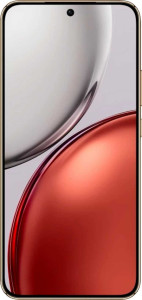
The Honor X9d 5G leads with a 108MP primary sensor, which sounds impressive on paper, but a high megapixel count alone does not determine camera quality — and the rest of its camera setup is limited to a single 5MP secondary lens with 0x optical zoom. The Samsung Galaxy S25, by contrast, fields a proper three-lens system: 50MP main, 12MP ultrawide, and 10MP telephoto, the last of which delivers 3x optical zoom. Optical zoom is a meaningful real-world advantage; it allows the S25 to capture distant subjects without the quality degradation that comes from digital cropping, something the Honor simply cannot replicate.
The gap extends into video and sensor capability as well. The S25 records up to 8K (4320p) video versus the Honor's cap of 4K (2160p), and critically, it supports HDR10 video recording and shoots in RAW format — tools that matter to anyone serious about post-processing footage or photos. The S25 also uses a BSI (Back-Side Illuminated) sensor, which improves light capture efficiency, particularly in low-light conditions. Adding to this, the S25 includes manual shutter speed control and a dual-tone LED flash, giving photographers more precise creative control that the Honor lacks.
The Samsung Galaxy S25 is the stronger camera system by a clear margin. The Honor X9d's headline megapixel count is its only numeric lead, but versatility — through telephoto zoom, superior video capabilities, RAW shooting, and a more capable sensor architecture — firmly favors the S25 for users who prioritize photographic flexibility.