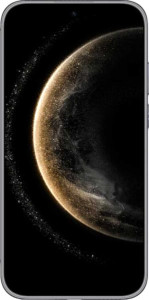
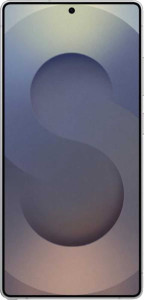
Camera system breadth is where these two phones diverge most sharply. The Samsung Galaxy S25 Ultra fields a four-lens rear array — 200 MP main, 50 MP ultrawide, 50 MP and 10 MP telephoto — covering a focal range from 24 mm to 111 mm with 5x optical zoom. The Huawei Mate 70 Air counters with a three-lens setup topping out at 50 MP on the main sensor, reaching only 3x optical zoom and a maximum focal length of 69 mm. For users who shoot at distance — wildlife, sports, or architecture — the S25 Ultra's longer reach and extra telephoto lens offer meaningfully more versatility.
Beyond resolution and zoom, several capability gaps favor the S25 Ultra. It includes a BSI (back-side illuminated) sensor, which improves light capture efficiency — particularly relevant in low-light conditions. It also supports RAW shooting and manual shutter speed control, tools that matter to photographers who post-process their images or need precise exposure control. The Mate 70 Air lacks both. On the video side, the S25 Ultra records at 4320p (8K) at 30 fps with HDR10 recording support, while the Mate 70 Air caps at 2160p (4K) without HDR10 video.
The Mate 70 Air is by no means a weak camera phone — it shares OIS, phase-detection autofocus, laser autofocus, and most manual controls with the S25 Ultra. But on virtually every axis that separates a capable camera from a flagship one — sensor technology, zoom range, RAW output, video ceiling, and lens count — the S25 Ultra holds a clear and decisive advantage.