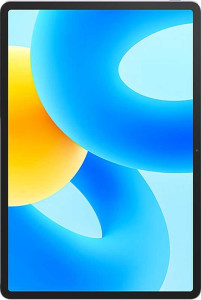
Across a broad connectivity and features checklist, these two tablets are largely in lockstep — identical Wi-Fi 6 support, Bluetooth, USB-C, software features like split screen, multi-user mode, and position tracking. The meaningful differences are concentrated in three areas. Most impactful is the USB standard: the MatePad 11.5 S (2025) uses USB 3 while the standard MatePad 11.5 (2025) is limited to USB 2. This is a significant practical gap — USB 3 delivers transfer speeds up to ten times faster, which matters considerably when moving large files, connecting external storage, or using the port for display output.
The S also steps up to Bluetooth 5.2 versus Bluetooth 5 on the standard model. The improvement brings better connection stability, lower latency, and more efficient audio handling — particularly relevant for users pairing wireless headphones or keyboards. Additionally, the S includes a gyroscope, which the standard MatePad 11.5 lacks. A gyroscope enables accurate motion-based orientation detection, benefiting augmented reality apps, immersive gaming, and more precise screen rotation response. Neither device has NFC, GPS, or a fingerprint scanner, so those shared omissions are worth acknowledging for users with specific expectations around security or navigation.
The MatePad 11.5 S holds a clear connectivity edge, driven primarily by its faster USB standard and the addition of a gyroscope — two features with tangible day-to-day utility. The Bluetooth 5.2 upgrade is a secondary but genuine improvement. The standard MatePad 11.5 matches the S across most software and wireless features, but falls behind on the hardware connectivity details that matter for power users and accessory-heavy setups.