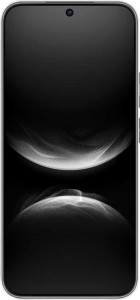
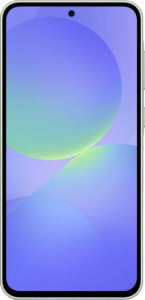
The core connectivity stack — 5G, Wi-Fi 6, USB-C, NFC, GPS, and Galileo — is identical between the two phones, so the real story lies in the finer details. The Samsung Galaxy A36 5G has a slight edge in Bluetooth, running version 5.3 against the Nova 14's 5.2, which brings incremental improvements in connection stability and energy efficiency. More practically significant is the A36 5G's flexible SIM configuration: it supports eSIM alongside physical SIM slots, enabling users to switch carriers digitally without swapping cards — a genuine convenience for frequent travelers. The Nova 14 is limited to dual physical SIM only, with no eSIM support.
The Nova 14 answers back with an infrared sensor, absent on the A36 5G. This allows the phone to function as a universal remote control for TVs, air conditioners, and other IR-compatible appliances — a niche but surprisingly practical feature for users who value consolidating their devices. It is one of those specs that goes unnoticed until you have it, and then becomes a daily convenience.
This category ends in a nuanced split. The A36 5G's eSIM support is the broader, more future-facing advantage — digital SIM management is increasingly relevant as carriers expand eSIM adoption. The Nova 14's infrared sensor, meanwhile, serves a narrower but loyal audience. Users who travel internationally or want carrier flexibility will lean toward the A36 5G; those who want a versatile remote-control capability will prefer the Nova 14.