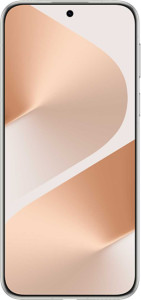
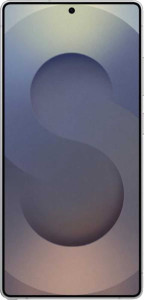
The camera systems reveal two very different philosophies. The Samsung Galaxy S25 Ultra fields a four-lens array headlined by a 200 MP primary sensor alongside 50 MP, 50 MP, and 10 MP additional cameras, while the Huawei Pura 80 Pro Plus opts for a triple-lens setup at 50, 48, and 40 MP. On paper, the S25 Ultra's 200 MP main sensor is its headline act — at that resolution, it captures an enormous amount of detail that can be cropped aggressively in post. Critically, the S25 Ultra also includes a BSI sensor (Back-Side Illuminated), which the Pura 80 Pro Plus lacks; BSI architecture improves light capture efficiency, particularly in low-light conditions. The S25 Ultra also extends to 5x optical zoom versus 4x on the Huawei, offering a longer reach for telephoto shooting.
Video capability is another area of clear separation. The S25 Ultra records at up to 4320p (8K) at 30 fps, while the Pura 80 Pro Plus tops out at 2160p (4K) at 30 fps. For videographers pushing resolution limits, this is a meaningful gap. The S25 Ultra also supports HDR10 video recording, which the Pura 80 Pro Plus does not, enabling richer dynamic range in captured footage on compatible platforms.
Despite the Pura 80 Pro Plus's wider primary aperture of f/1.6 — slightly more light-gathering than the S25 Ultra's f/1.7 — and a comparable manual control feature set across both devices, the Galaxy S25 Ultra holds a clear overall advantage in this group. Its higher-resolution sensor system, BSI sensor, greater optical zoom range, 8K video recording, and HDR10 video support collectively represent a more capable and versatile camera platform based strictly on the provided specifications.