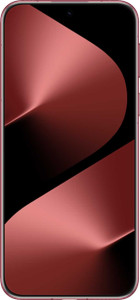
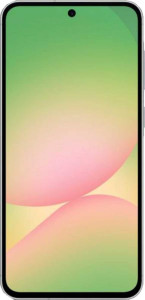
The camera systems reveal one of the starkest gaps in this entire comparison. The Pura 80 Ultra fields a four-lens rear array — 50 + 50 + 40 + 12.5 MP — anchored by a dedicated telephoto setup delivering 9.4x optical zoom, while the Galaxy A56 5G offers a three-lens 50 + 12 + 5 MP configuration with no optical zoom whatsoever. For users who frequently shoot subjects at a distance — wildlife, concerts, architecture — this is a decisive functional difference. Optical zoom preserves image quality across focal lengths in a way that digital zoom simply cannot replicate, making the Pura 80 Ultra far more versatile as a photographic tool.
The gap extends into shooting control and autofocus capability. The Pura 80 Ultra adds laser autofocus for faster, more reliable subject locking in low light or with fast-moving subjects — a feature absent on the A56 5G. It also supports RAW capture and manual shutter speed control, giving photographers full creative command over exposure and post-processing latitude. The A56 5G omits both, limiting it to JPEG-based workflows and partially manual exposure control. For casual shooters this may be invisible, but for enthusiasts it meaningfully narrows creative options.
Where the two phones converge is on video: both cap out at 2160p at 30fps, support slow-motion, continuous autofocus during recording, and built-in HDR mode. The front cameras are also closely matched — 13 MP at f/2.0 versus 12 MP at f/2.2 — with the Pura 80 Ultra holding a marginal aperture edge for slightly better low-light selfies. Overall, the Pura 80 Ultra holds an unambiguous advantage in this category, driven primarily by its optical zoom range, RAW support, and richer manual controls.