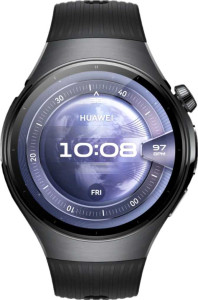
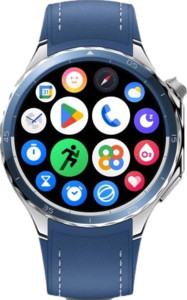
Both watches share a strong common feature set: ECG, VO2 max estimation, resting heart rate tracking, fast/slow heart rate notifications, call answering and control, voice commands, faster GPS acquisition, and vibrating silent alarms. For the majority of smartwatch users, this shared foundation already represents a premium, well-rounded experience covering communication, fitness, and basic cardiac monitoring.
The health-safety divergence, however, is where the Huawei Watch 5 pulls ahead meaningfully. It adds HRV (heart rate variability) tracking, a readiness level indicator, irregular heart rate warnings, and fall detection — none of which are present on the Oppo Watch X2. HRV tracking is increasingly valued for recovery and stress monitoring, as it gives users a nuanced daily picture of autonomic nervous system health beyond simple heart rate. The readiness score synthesizes multiple metrics into an actionable daily wellness signal. Irregular heart rate warnings provide a passive safety net for detecting potential arrhythmias between active ECG readings. Fall detection, meanwhile, is a critical safety feature for older users or those engaging in high-risk activities, automatically alerting emergency contacts if a hard fall is detected and the user is unresponsive.
The Huawei Watch 5 wins this category clearly. Every feature gap — HRV, readiness, irregular HR warnings, and fall detection — falls on the health and safety side of the spectrum, areas where more capability carries real consequences. The Oppo Watch X2 covers the essentials competently, but users who prioritize comprehensive health monitoring or personal safety features will find the Huawei′s additions genuinely impactful rather than merely cosmetic.