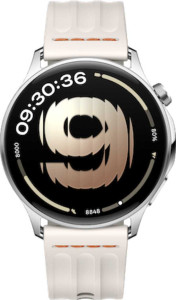
The feature overlap between these two watches is extensive — both deliver HRV tracking, VO2 max estimation, readiness scoring, irregular heart rate warnings, call answering, notifications, voice commands, and a camera remote, among others. For most users, this shared core is more than sufficient for comprehensive health monitoring and smart assistant functionality on the wrist.
Dig into the differences, however, and each watch claims a meaningful exclusive. The Oppo Watch S includes ECG technology, which the GT 6 lacks entirely — a significant health feature that can detect atrial fibrillation and generate electrocardiogram readings, going well beyond standard heart rate monitoring in clinical usefulness. The Oppo also boasts faster GPS acquisition, reducing the wait time before outdoor workouts can begin tracking accurately. On the other side, the Huawei Watch GT 6 41mm includes a phone finder function and, critically, has 1 microphone compared to the Oppo's none — meaning the GT 6 can handle voice calls and voice commands through the watch itself, while the Oppo Watch S, despite supporting call answering and voice commands, has no onboard microphone to facilitate them in the same way.
This group is genuinely split, and the winner depends on your priorities. Users focused on cardiac health monitoring will favor the Oppo Watch S for its ECG capability. Those who want a fully functional on-wrist calling experience will lean toward the GT 6 given its built-in microphone. Neither watch dominates outright, making this a category where personal use cases should drive the decision.