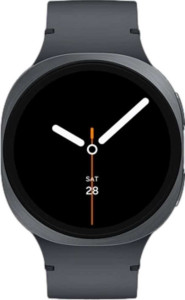
The feature overlap between these two watches is substantial — both cover HRV tracking, VO2 max, resting heart rate, irregular heart rate warnings, call handling, notifications, voice commands, camera remote, stopwatch, silent and vibrating alarms, phone finder, and readiness scoring. For most users, this shared core is already a rich and well-rounded package. The real story in this category, however, lies in the three specs where the Samsung Galaxy Watch8 44mm pulls ahead.
The Watch8 includes ECG technology, fall detection, and faster GPS acquisition — none of which are present on the Huawei Watch GT 6 41mm. ECG is the most clinically significant of these: it enables on-demand electrocardiogram readings that can help flag atrial fibrillation, offering a layer of cardiac insight that goes beyond passive heart rate monitoring. Fall detection adds a meaningful safety net for older users or those engaging in high-risk activities, automatically triggering an alert if a hard fall is detected and the wearer is unresponsive. Faster GPS lock is a more subtle but practical advantage — it reduces the wait time before outdoor workouts begin tracking accurately, which matters on cold mornings or back-to-back sessions when every second counts.
The Watch8 holds a clear edge in this group. Its exclusive trio of ECG, fall detection, and faster GPS lock are not niche additions — each addresses a genuinely distinct user need spanning cardiac health monitoring, personal safety, and workout readiness. The GT 6 matches the Watch8 on nearly every other feature listed, but for users who place weight on health safety features in particular, the Watch8's advantage here is both meaningful and difficult to dismiss.