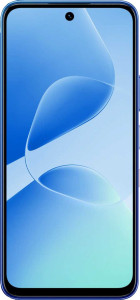
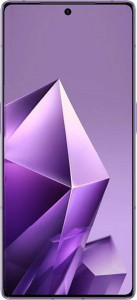
The single biggest differentiator in this category is cellular generation. The Hot 60 5G supports 5G with a peak download speed of 2770 Mbps, while the Note 50 4G is limited to 4G with a ceiling of 650 Mbps. For users in areas with 5G coverage, this translates to dramatically faster mobile data speeds and future-proofing as 5G networks continue to expand. For those in regions where 5G remains limited, however, this advantage may go unrealized in day-to-day use.
The Note 50 4G counters with NFC, which the Hot 60 5G lacks. NFC is the backbone of contactless payments, transit card emulation, and quick device pairing — a practically useful feature for many users. The Hot 60 5G responds with a built-in infrared sensor, absent on the Note 50 4G, enabling the phone to function as a universal remote for TVs and other IR-controlled appliances. Both phones share identical Wi-Fi support (Wi-Fi 5), Bluetooth 5.4, USB Type-C 2.0, dual SIM, GPS with Galileo, and a matching sensor suite including gyroscope, accelerometer, and compass — so the remaining connectivity foundation is evenly matched.
Declaring a winner here depends on use case. The Hot 60 5G has the broader and more impactful advantage with 5G connectivity and a significantly higher download speed ceiling, making it the stronger long-term investment for mobile data users. The Note 50 4G's NFC is a meaningful practical addition for tap-to-pay users, but it does not outweigh the connectivity gap. Users who prioritize mobile network performance should lean toward the Hot 60 5G; those who value contactless payment and have no access to 5G may find the Note 50 4G sufficient.