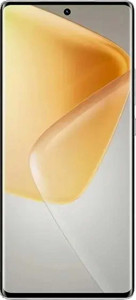
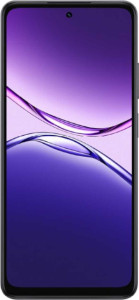
The display is arguably where these two phones diverge most dramatically. The Infinix Hot 60 Pro Plus uses an OLED/AMOLED panel while the Oppo A5i Pro relies on an LCD IPS screen — a fundamental technology gap. OLED delivers true blacks, higher contrast, and more vibrant colors by lighting pixels individually, whereas LCD backlighting results in less precise contrast and washed-out blacks. For media consumption, gaming, or simply day-to-day use, the Infinix's panel will produce a visibly richer image.
Resolution and sharpness tell an equally one-sided story. The Infinix renders at 1224 x 2720 px across a 6.78″ screen, yielding a crisp 440 ppi pixel density. The Oppo A5i Pro, by contrast, tops out at 720 x 1604 px — an HD-only resolution — across a 6.67″ panel, producing just 264 ppi. At normal viewing distances, 264 ppi is noticeably softer; individual pixels can become distinguishable, particularly when reading text or viewing detailed images. The Infinix also refreshes at 144Hz versus the Oppo's 90Hz, meaning smoother scrolling and more responsive animation throughout the UI. The Oppo does edge ahead on rated brightness at 850 nits versus 700 nits, giving it a slight advantage in direct sunlight legibility — the one genuine display win for the A5i Pro.
On balance, the Infinix Hot 60 Pro Plus dominates this category. A higher-tier panel technology, a significantly sharper resolution, and a faster refresh rate together represent a substantial real-world upgrade in daily visual experience. The Oppo's brightness advantage is real but narrow, and it cannot offset the cumulative gap across every other display dimension. Both phones share Gorilla Glass 7i protection, so scratch resistance is equal.