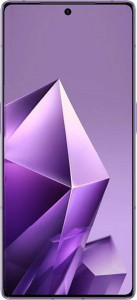
Both phones use OLED/AMOLED panels, so the baseline display quality — deep blacks, vivid colors, and power-efficient dark mode rendering — is shared across the two. Where they diverge most noticeably is screen size and refresh rate. The Infinix Note 50 4G offers a slightly larger 6.78-inch panel running at 144Hz, while the Vivo Y400 4G uses a 6.67-inch screen capped at 120Hz. In day-to-day use, the extra 0.11 inches is barely perceptible, but the 144Hz refresh rate on the Note 50 delivers visibly smoother scrolling and more fluid animations compared to 120Hz — a tangible, if modest, advantage for users sensitive to display responsiveness.
The Y400 counters with HDR10 support, which the Note 50 lacks entirely. HDR10 enables a wider range of brightness and color depth when consuming compatible streaming content on platforms like Netflix or YouTube, producing more lifelike highlights and shadow detail. For media-focused users, this is a meaningful real-world perk that partially offsets the Note 50's refresh rate lead. Pixel density is essentially a wash — 393 ppi versus 395 ppi — so sharpness is indistinguishable at normal viewing distances. Both screens also support Always-On Display, and neither features branded damage-resistant glass, placing them on equal footing for durability.
This category ultimately comes down to use case. The Note 50 edges ahead for gaming and general UI fluidity thanks to its higher refresh rate and larger canvas, while the Y400 is the stronger pick for video streaming enthusiasts who will benefit from HDR10 color rendering. On balance, these advantages roughly cancel out, making the display category a near tie with each phone catering to a slightly different priority.