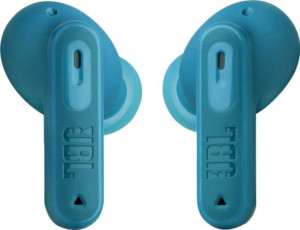
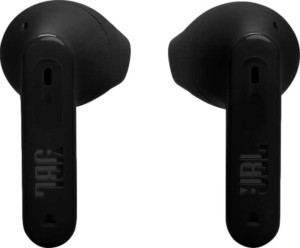
The most meaningful design distinction between these two earbuds lies in their fit style. The Tune Beam 2 uses an in-ear fit, meaning it relies on a silicone tip to create a seal inside the ear canal — this typically delivers better passive noise isolation and a more secure hold during movement. The Tune Flex 2, by contrast, is classified as an earbud fit, sitting at the entrance of the ear rather than inside the canal. This open-style approach tends to feel less fatiguing over long sessions but sacrifices some isolation and can feel less stable during vigorous activity.
Both models share an IP54 rating, but the real-world interpretation differs slightly: the Tune Beam 2 is officially rated only as sweat resistant, while the Tune Flex 2 is rated as water resistant — a meaningful upgrade that implies better tolerance for rain or light splashing, not just perspiration. For outdoor or gym use in varied conditions, the Flex 2 holds a practical edge here. On weight, the Tune Flex 2 also comes in lighter at 8.8 g versus 10.4 g per earbud, a difference that may not sound dramatic but can contribute to reduced ear fatigue during extended wear.
Overall, the Tune Flex 2 has a clear design advantage for users prioritizing comfort in long listening sessions and slightly broader water resistance. The Tune Beam 2 is the stronger choice for those who want a canal-sealing fit for better isolation and a more locked-in feel. Neither features any display, lighting, or neckband — keeping both squarely in the minimalist, fully wireless category.