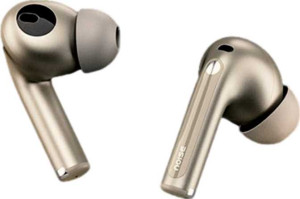
Shared ground is extensive here: both earbuds run on Bluetooth 5.3, cap out at a 10 m wireless range, use USB-C, and forgo NFC pairing and the entire aptX codec family, including LDAC. For the vast majority of users streaming from a phone, these commonalities mean day-to-day connectivity will feel essentially identical in terms of stability and range.
The meaningful splits come down to codecs and pairing convenience. The Noise Master Buds supports AAC — a significant advantage for iPhone users, since AAC is Apple's preferred Bluetooth audio codec and delivers noticeably better audio quality over SBC on iOS devices. It also supports LDHC, a high-resolution wireless codec capable of transmitting up to 900 kbps at 24-bit depth, which is relevant for Android users with compatible source devices who want to push closer to lossless wireless audio. The JBL Tune Beam 2, by contrast, lists neither codec, suggesting it falls back to SBC — the baseline standard — on most devices. On the flip side, the JBL offers fast pairing, which streamlines the initial device connection process, while the Noise Master Buds requires a more manual pairing flow.
Weighing these factors, the Noise Master Buds holds a clear connectivity edge. AAC support alone makes it the more versatile choice across both major mobile platforms, and LDHC adds meaningful upside for high-res audio enthusiasts on compatible Android hardware. The JBL's fast pairing convenience is real but relatively minor compared to the codec gap.