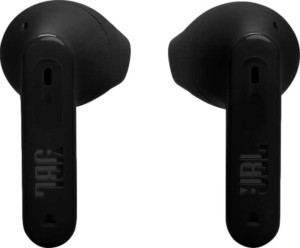
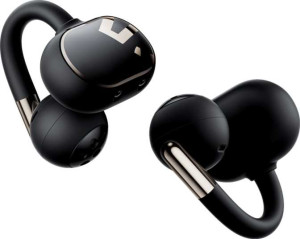
The most fundamental design difference between these two earbuds is their fit type. The JBL Tune Flex 2 uses a traditional in-ear (earbud) design, meaning the eartip seats inside the ear canal to create a passive seal. The Soundpeats Clip 1, by contrast, adopts an open-ear form factor, which rests against or around the outer ear without blocking the ear canal. This is not a minor distinction — it shapes the entire listening experience. The Tune Flex 2's in-ear fit typically delivers better passive noise isolation and more impactful bass, while the Clip 1's open-ear design prioritizes situational awareness, making it more suitable for outdoor activities or users who need to stay alert to their surroundings.
On water resistance, both earbuds hold up to everyday splashes and sweat, but their ratings differ slightly. The Tune Flex 2 carries an IP54 rating, which means it is protected against both dust ingress and water splashes from any direction. The Clip 1 is rated IPX5, offering comparable water-jet resistance but with no official dust protection rating (the ″X″ denotes untested, not absent). For most real-world use, including workouts and light rain, both are adequately protected — the Tune Flex 2 has a marginal edge for dusty environments.
At 8.8 g versus 10 g, the Tune Flex 2 is slightly lighter per earbud, though the difference is small enough to be imperceptible during typical use. Overall, the JBL Tune Flex 2 holds a design edge for users who prioritize noise isolation and a secure in-ear seal, while the Soundpeats Clip 1 is the better fit for those who value comfort over extended wear without ear canal fatigue and need to remain aware of ambient sound.