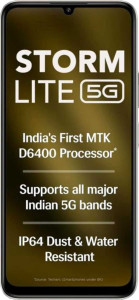
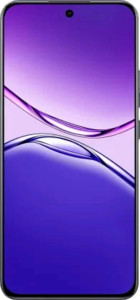
Both phones share a 50 MP primary sensor and a dual-lens rear setup, so on paper the main cameras appear evenly matched. Look closer, however, and two F29 Pro advantages stand out. First, it adds optical image stabilization (OIS) — a hardware mechanism that physically compensates for hand tremor during shots and video. The Storm Play Lite lacks OIS entirely, meaning handheld low-light photos and videos are more prone to blur. Second, the F29 Pro records video at 4K (2160p) at 30 fps, while the Storm Play Lite tops out at 1440p at 30 fps. For anyone who shoots video seriously, that is a meaningful ceiling difference in detail and future-proofing.
Selfie capability is another clear split. The F29 Pro's 16 MP front camera more than triples the Storm Play Lite's 5 MP sensor in resolution. Higher megapixel count on a front camera directly impacts the sharpness of selfies and the quality of video calls — a factor that matters increasingly for social media users and remote workers alike.
Where the two devices are genuinely equal: manual controls (ISO, exposure, white balance, focus), autofocus systems (phase-detection, continuous AF, touch AF), slow-motion support, HDR mode, and panorama — all present on both. But the shared feature set only narrows the gap; it does not close it. Thanks to OIS, superior video resolution, and a far stronger front camera, the Oppo F29 Pro 5G is the clear winner in this group.