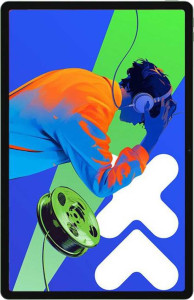
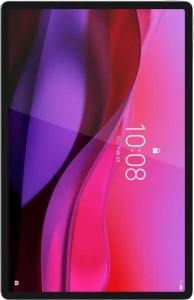
At the foundation, these two screens are essentially twins: identical 12.7″ IPS LCD panels with the same 2944 x 1840 resolution, 273 ppi pixel density, and a fluid 144Hz refresh rate. For everyday use — scrolling, multitasking, watching content — users of either tablet will experience the same sharp, smooth visual baseline. Neither panel uses branded damage-resistant glass, so both sit on equal footing there as well.
The meaningful divergence lies in brightness and HDR format support. The Yoga Tab Plus reaches 650 nits of typical brightness versus just 400 nits on the Idea Tab Pro — a 62% increase that translates directly into far better legibility under bright indoor lighting or near windows. Meanwhile, the Idea Tab Pro supports HDR10, while the Yoga Tab Plus carries Dolby Vision. Dolby Vision is the more advanced standard, using dynamic metadata to optimize each scene frame-by-frame, whereas HDR10 applies static metadata across the entire stream. That said, Dolby Vision's advantage is only realized when content is mastered for it, so real-world impact depends on the user's streaming habits.
Taken together, the Yoga Tab Plus holds a clear display edge. Its dramatically higher brightness makes it the more practical choice in varied lighting conditions, and Dolby Vision is the more capable HDR standard. The Idea Tab Pro's HDR10 support is a notable perk, but it does not offset the significant brightness deficit — making the Yoga Tab Plus the stronger display performer based strictly on these specs.