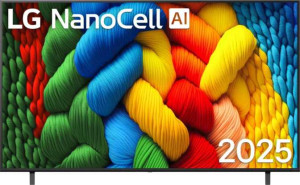
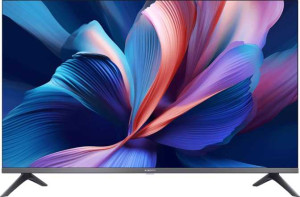
Both the LG 43NANO80A6B and the Xiaomi TV A Pro 2026 share the same fundamental display foundation: a 43″ 4K (3840 x 2160) panel at 102 ppi, with a 10-bit color pipeline capable of rendering 1.07 billion colors, a 60Hz refresh rate, and identical 178° horizontal and vertical viewing angles. In everyday use, this means both sets will deliver comparable sharpness, wide-angle watchability, and smooth standard content at equivalent levels.
The first meaningful split is panel technology. The Xiaomi uses a QLED layer on top of its LED-backlit LCD, which introduces quantum dots to expand color volume and push peak brightness higher — real-world benefits include richer, more saturated colors and better HDR highlights. The LG relies on a standard NanoCell LED-backlit LCD, which is a competent but fundamentally less vibrant approach to color reproduction. The second split goes the other way: the LG supports Dolby Vision, while the Xiaomi does not. Dolby Vision is the most sophisticated dynamic HDR format, delivering scene-by-scene metadata for superior tone mapping on supported content from Netflix, Apple TV+, and Disney+. Both televisions share HDR10, HDR10+, and HLG support, so the gap only matters if you regularly consume Dolby Vision-encoded content.
Neither product holds a clean overall advantage here — it is a genuine trade-off. The Xiaomi′s QLED technology gives it an edge in raw color vibrancy and brightness, which benefits HDR content broadly. The LG′s Dolby Vision support gives it an edge in HDR format compatibility and precision tone mapping for premium streaming. Users who prioritize streaming service HDR compatibility should lean toward the LG; users who prioritize vivid, punchy color performance should lean toward the Xiaomi.