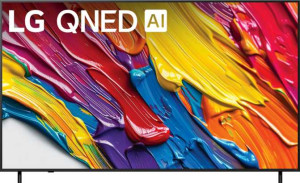
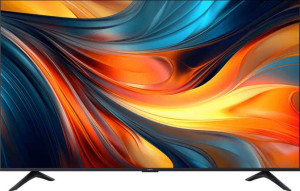
The most decisive difference in this group is resolution and pixel density. The LG 43QNED82AUA delivers a true 3840 x 2160 px (4K UHD) image across its 43.1″ panel, resulting in a pixel density of 102 ppi — meaning individual pixels are essentially invisible at normal viewing distances. The Xiaomi TV A 2026, despite being labeled 4K UHD in its marketing tier, outputs only 1366 x 768 px on a 32″ screen, yielding just 49 ppi. At that density, pixel structure can become visible, especially when sitting close, and fine detail in 4K content is simply not rendered. This is the single largest performance gap in the display category.
Panel technology and color fidelity add further separation. The LG uses a Mini-LED-backlit LCD with a 10-bit color pipeline, enabling 1.07 billion displayable colors and more precise local dimming control — translating to better contrast handling and smoother gradients in HDR content. The Xiaomi relies on a conventional LED-backlit LCD with an 8-bit panel; while its spec sheet lists 1.67 billion colors, this figure likely reflects dithering rather than native output, so real-world color depth is a step below the LG's native 10-bit rendering.
Both televisions share a respectable set of common features: 60Hz refresh rate, HDR10 and HLG support (but no HDR10+ or Dolby Vision), an anti-reflection coating, an ambient light sensor, and symmetrical 178° horizontal and vertical viewing angles. These shared traits mean neither has an edge in HDR format breadth or ergonomic flexibility. Overall, the LG 43QNED82AUA holds a clear and substantial display advantage — its genuine 4K resolution, higher pixel density, Mini-LED backlighting, and native 10-bit color depth make it the stronger performer for any viewer prioritizing image quality.