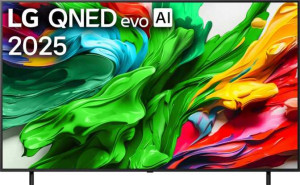
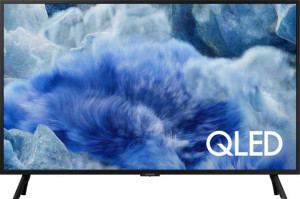
Across most of the connectivity checklist, these two TVs are virtually indistinguishable: both offer 4 HDMI 2.1 ports, 2 USB ports, a single RJ45 Ethernet jack, Bluetooth 5.3, Miracast support, and identical absences — no 3.5mm audio jack, no external memory slot, no legacy video connectors. For anyone building a home theater with multiple 4K or 8K sources, the full HDMI 2.1 port count on both is a genuine strength, supporting high bandwidth for gaming consoles and media players alike.
The one meaningful split is wireless networking. The LG 75QNED85AUA supports Wi-Fi 6 and Wi-Fi 6E in addition to the older Wi-Fi 4/5 standards, while the Samsung QN75Q8FAAF tops out at Wi-Fi 5 (802.11ac). In practical terms, Wi-Fi 6 delivers better throughput and significantly improved performance in congested network environments — a real consideration in apartments or homes with many connected devices. Wi-Fi 6E goes further, adding access to the less-crowded 6GHz band, which reduces interference and latency for users whose routers support it. For a TV used primarily for 4K streaming, Wi-Fi 5 is technically sufficient, but the LG's newer wireless stack is noticeably more future-proof.
The LG holds a clear connectivity edge in this group, and it comes entirely down to wireless capability. If your router already supports Wi-Fi 6 or 6E, or if you plan to upgrade in the near future, the LG will take full advantage of it — the Samsung simply cannot. All other ports and wireless protocols between the two are matched, making Wi-Fi generation the single deciding factor here.