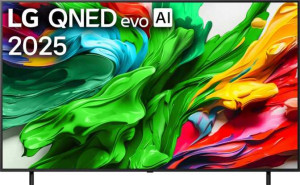
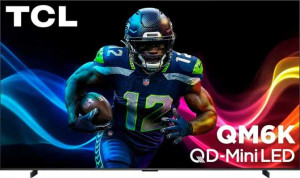
Both the LG 75QNED85AUA and the TCL 75QM6K share a strong display foundation: native 4K (3840 x 2160) resolution, a 59 ppi pixel density, 10-bit color depth rendering 1.07 billion colors, a 144Hz refresh rate, and identical 178° horizontal and vertical viewing angles. Both also use Mini-LED backlighting, which enables finer local dimming zones compared to standard LED, improving contrast and HDR precision across the panel.
The most meaningful differentiator lies in HDR ecosystem support and display technology. The TCL adds a QLED quantum dot layer on top of its Mini-LED backlight — a combination that typically widens the color gamut and boosts peak brightness potential compared to the LG's non-quantum-dot panel. On the HDR side, the LG is limited to HDR10 and HLG, while the TCL also supports HDR10+ and Dolby Vision. In practice, Dolby Vision is the most widely deployed premium HDR format on streaming platforms like Netflix and Apple TV+, and HDR10+ covers Amazon Prime content — so the TCL can display dynamic tone-mapped HDR on a significantly broader range of content. For gaming, the TCL also adds AMD FreeSync Premium Pro, which layers in Low Framerate Compensation and HDR requirements on top of standard FreeSync Premium, offering a more complete variable refresh rate experience.
The LG holds no exclusive display advantages based on the provided specs — the two TVs are matched everywhere the LG competes, and the TCL extends ahead in HDR format coverage, color technology, and gaming sync capability. The TCL 75QM6K has a clear display-group edge for both cinematic HDR viewing and gaming use cases.