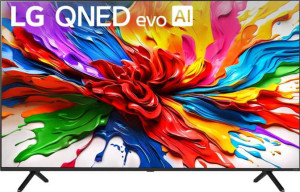
LG 85QNED92AUA 85"
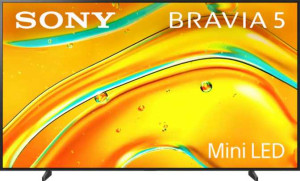
Sony Bravia K-85XR50 85"

LG 85QNED92AUA 85" Sony Bravia K-85XR50 85"

Overview

Welcome to our detailed spec comparison of the LG 85QNED92AUA 85″ and the Sony Bravia K-85XR50 85″ — two large-screen Mini-LED televisions competing at the top of the 85-inch market. Both sets share a strong common foundation, yet key differences emerge around audio hardware, wireless connectivity, and overall physical design. Read on to see exactly how these two giants stack up across every major specification category.

Common Features

  • Both TVs have a 4K UHD display resolution of 3840 x 2160 px.
  • Both TVs have a pixel density of 52 ppi.
  • Both TVs support 1070 million display colors at 10-bit depth.
  • Both TVs have a 120Hz refresh rate.
  • HDR10 support is available on both products.
  • HDR10+ support is not available on either product.
  • Both TVs use a Mini-LED, LED-backlit LCD display type.
  • Bluetooth is available on both products, with version 5.3.
  • Both TVs support Wi-Fi and include Wi-Fi 4, Wi-Fi 5, and Wi-Fi 6.
  • Both TVs have 4 HDMI 2.1 ports, 2 USB ports, and 1 RJ45 port.
  • Miracast support is available on both products.
  • Digital audio output support is available on both products.
  • Dolby Atmos and Dolby Audio support are available on both products.
  • Dolby Virtual support is not available on either product.
  • SRS TheaterSound HD is not available on either product.
  • Both TVs have stereo speakers and support HDMI ARC and HDMI eARC.
  • Both TVs support VESA mounting.
  • AirPlay support is available on both products.
  • Both TVs are compatible with Google Assistant and work with Alexa.
  • Siri and Apple HomeKit compatibility is not available on either product.
  • Both TVs have a built-in smart TV platform and support remote smartphone control.
  • USB recording support is available on both products.
  • Both TVs have a standby power consumption of 0.5W.

Main Differences

  • Wi-Fi 6E (802.11ax) support is present on LG 85QNED92AUA 85″ but not available on Sony Bravia K-85XR50 85″.
  • A built-in subwoofer is present on LG 85QNED92AUA 85″ but not available on Sony Bravia K-85XR50 85″.
  • A rechargeable remote control is included with Sony Bravia K-85XR50 85″ but not with LG 85QNED92AUA 85″.
  • Operating power consumption is 368W on LG 85QNED92AUA 85″ and 372W on Sony Bravia K-85XR50 85″.
  • Screen size is 84.5″ on LG 85QNED92AUA 85″ and 84.6″ on Sony Bravia K-85XR50 85″.
  • Width is 1889.8 mm on LG 85QNED92AUA 85″ and 1895 mm on Sony Bravia K-85XR50 85″.
  • Height is 1082 mm on LG 85QNED92AUA 85″ and 1087 mm on Sony Bravia K-85XR50 85″.
  • Thickness is 60.9 mm on LG 85QNED92AUA 85″ and 60 mm on Sony Bravia K-85XR50 85″.
  • Weight is 35199 g on LG 85QNED92AUA 85″ and 46300 g on Sony Bravia K-85XR50 85″.
  • Volume is 124526.10324 cm³ on LG 85QNED92AUA 85″ and 123591.9 cm³ on Sony Bravia K-85XR50 85″.
Specs Comparison
LG 85QNED92AUA 85"

LG 85QNED92AUA 85"

Sony Bravia K-85XR50 85"

Sony Bravia K-85XR50 85"

Display:
display resolution 4K (UHD) 4K (UHD)
Display type Mini-LED, LCD, LED-backlit LED-backlit, LCD, Mini-LED
screen size 84.5" 84.6"
resolution 3840 x 2160 px 3840 x 2160 px
pixel density 52 ppi 52 ppi
display colors 1070 million 1070 million
bit depth 10-bit 10-bit
refresh rate 120Hz 120Hz
supports HDR10
supports HDR10+
supports Dolby Vision
supports HLG
has anti-reflection coating
has an ambient light sensor
maximum horizontal viewing angle 178º 178º
maximum vertical viewing angle 178º 178º

At a headline level, the LG 85QNED92AUA and the Sony Bravia K-85XR50 occupy virtually the same display territory. Both are Mini-LED LCD panels running at a native 3840 x 2160 (4K UHD) resolution across an effectively identical screen size — 84.5″ versus 84.6″ — yielding the same 52 ppi pixel density. In practice, at typical living-room viewing distances, neither panel will reveal individual pixels, so sharpness is a non-issue for both.

Where shared specs matter most, both sets are equally well-equipped: 10-bit color depth capable of rendering 1.07 billion colors, a 120Hz native refresh rate that benefits fast-motion content and gaming alike, and an identical HDR format lineup — HDR10, Dolby Vision, and HLG supported; HDR10+ absent on both. The lack of HDR10+ is a minor omission given Dolby Vision's prevalence, but neither TV has an edge here. Both also share 178° horizontal and vertical viewing angles, an anti-reflection coating, and an ambient light sensor for automatic brightness adjustment — all practical advantages for varied room conditions.

Given that every meaningful display specification — panel technology, resolution, color depth, refresh rate, HDR support, and viewing angle — is identical between the two, this group is a dead tie. No display-level advantage can be awarded to either the LG or the Sony based solely on the provided specs. A buying decision here should hinge on other spec groups such as processing, sound, or smart platform features rather than anything on the screen itself.
Connectivity:
Has Bluetooth
HDMI version HDMI 2.1 HDMI 2.1
HDMI ports 4 4
supports Wi-Fi
Wi-Fi version Wi-Fi 4 (802.11n), Wi-Fi 5 (802.11ac), Wi-Fi 6 (802.11ax), Wi-Fi 6E (802.11ax) Wi-Fi 4 (802.11n), Wi-Fi 5 (802.11ac), Wi-Fi 6 (802.11ax)
Bluetooth version 5.3 5.3
USB ports 2 2
RJ45 ports 1 1
supports Miracast
has a socket for a 3.5 mm audio jack
has an external memory slot
has a VGA connector
has a DVI connector

The wired connectivity picture is identical across both TVs: four HDMI 2.1 ports, two USB ports, and a single RJ45 Ethernet jack. HDMI 2.1 is the critical standard for modern use — it supports 4K at 120Hz, Variable Refresh Rate (VRR), and Auto Low Latency Mode (ALLM), making both sets equally capable for next-gen consoles and high-frame-rate sources without any bandwidth bottlenecks.

Wireless is where a meaningful gap emerges. Both TVs support Bluetooth 5.3 and Wi-Fi 6 (802.11ax), but the LG 85QNED92AUA goes one step further with Wi-Fi 6E support — something the Sony Bravia K-85XR50 lacks. Wi-Fi 6E opens up the uncongested 6GHz radio band, which translates to lower latency and more stable throughput in environments crowded with 2.4GHz and 5GHz devices. For most households with a modern router, the practical day-to-day difference may be modest, but in denser urban apartments or homes with many connected devices, 6E can meaningfully reduce streaming hiccups and interference.

The LG holds a narrow but real connectivity edge in this group, solely on the strength of Wi-Fi 6E. All other specs — ports, Bluetooth version, Miracast support — are evenly matched. Buyers who already own or plan to upgrade to a Wi-Fi 6E router will get tangible value from the LG's broader wireless capability; those on older networking hardware will find no practical difference between the two.

Audio:
supports Digital Out
has SRS TheaterSound HD
has stereo speakers
has Dolby Atmos
has Dolby Audio
supports Dolby Virtual
has a subwoofer
HDMI ARC / eARC HDMI ARC, HDMI eARC HDMI ARC, HDMI eARC

Most of the audio foundation is shared between these two TVs. Both decode Dolby Atmos and Dolby Audio, output via HDMI ARC and eARC, and include stereo speakers — meaning either set can pass object-based surround sound through to a compatible soundbar or AV receiver without any format compatibility concerns. eARC in particular is worth highlighting: it carries high-bandwidth audio formats like lossless Dolby TrueHD back to an external audio system, future-proofing both TVs for premium home theater setups.

The one spec that separates them is the built-in subwoofer. The LG 85QNED92AUA includes one; the Sony Bravia K-85XR50 does not. A dedicated subwoofer handles low-frequency reproduction — the punch of an explosion, the rumble of a movie score — that stereo drivers alone typically struggle to reproduce convincingly. For viewers who plan to rely primarily on the TV's internal speakers rather than a separate audio system, this is a tangible advantage in perceived depth and fullness of sound.

The LG takes a clear edge in this group. Buyers who will pair either TV with a quality external soundbar or receiver will find both options equally capable thanks to shared eARC support. But for standalone speaker performance, the LG's built-in subwoofer gives it a structural audio advantage the Sony simply cannot match on its own hardware.

Design:
width 1889.8 mm 1895 mm
weight 35199 g 46300 g
thickness 60.9 mm 60 mm
height 1082 mm 1087 mm
volume 124526.10324 cm³ 123591.9 cm³
Supports VESA mount

Physically, these two 85-inch TVs are nearly indistinguishable in footprint. Width, height, and thickness differ by only a few millimeters across the board, and both support VESA mounting — so wall-mount compatibility and furniture fit are effectively a non-issue for either choice.

Weight, however, tells a different story. The LG 85QNED92AUA comes in at 35.2 kg, while the Sony Bravia K-85XR50 weighs a notably heavier 46.3 kg — a difference of roughly 11 kg. At this screen size, installation always requires at least two people, but that gap is meaningful in practice. It affects the wall mount's required load rating, the structural demands on the wall itself, and the general effort involved in maneuvering the set into position. For ceiling-mounted or articulating wall installations where dynamic load stress is a factor, the LG's lighter build provides a tangible logistical and safety margin.

The LG holds a clear advantage in this group on the strength of its significantly lower weight. Footprint and VESA support are matched, but when handling and installation complexity are factored in, shaving 11 kg off an already large panel is a genuinely useful real-world benefit.

Features:
release date April 2025 April 2025
has AirPlay
has built-in smart TV
compatible with Google Assistant
works with Alexa
works with Siri/Apple HomeKit
supports a remote smartphone
has a rechargeable remote control
supports USB recording
operating power consumption 368W 372W
standby power consumption 0.5W 0.5W
has a search browser
has a sleep timer
has a child lock
warranty period 1 years 1 years
has voice commands

From a smart platform and ecosystem standpoint, these two TVs are locked in step. Both offer a full smart TV experience with AirPlay, Google Assistant, Alexa, USB recording, smartphone remote support, and voice commands — and both conspicuously lack Apple HomeKit integration. Neither holds an ecosystem advantage, and users invested in any of the major voice assistant platforms will find equal footing on either set.

Power consumption is virtually identical — 368W for the LG versus 372W for the Sony during operation, with both drawing just 0.5W on standby. Over years of daily use the difference is negligible. The one feature that does separate them is the rechargeable remote control included with the Sony Bravia K-85XR50, which the LG 85QNED92AUA lacks. It is an easy spec to overlook, but eliminating the recurring cost and waste of disposable batteries is a quality-of-life convenience that compounds meaningfully over the TV's lifespan.

This group is largely a tie, but the Sony earns a narrow edge thanks solely to its rechargeable remote. For buyers who weigh everyday usability details, it is a small but genuine differentiator in an otherwise evenly matched feature set.

Comparison Summary & Verdict

After examining every spec category, both the LG 85QNED92AUA 85″ and the Sony Bravia K-85XR50 85″ prove to be highly capable 85-inch Mini-LED TVs with identical core credentials: 4K 120Hz panels, full HDMI 2.1 connectivity, Dolby Atmos audio, and broad smart-platform support. However, the differences are meaningful depending on your priorities. The LG earns an edge for home theater enthusiasts thanks to its built-in subwoofer and Wi-Fi 6E support, delivering richer out-of-the-box audio and a more future-proof wireless connection. It is also notably lighter at 35,199 g versus the Sony’s 46,300 g, making installation easier. The Sony, on the other hand, appeals to those who value convenience and refined accessories, offering a rechargeable remote control that the LG omits. If integrated audio performance and cutting-edge Wi-Fi matter most, the LG is the stronger pick; if you prefer a polished ownership experience with a premium remote, the Sony Bravia K-85XR50 is the one to choose.

LG 85QNED92AUA 85
Buy LG 85QNED92AUA 85" if...

Buy the LG 85QNED92AUA 85″ if you want a built-in subwoofer for richer audio straight out of the box and prefer Wi-Fi 6E support for a more future-proof wireless connection. It is also the lighter of the two, making wall-mounting and installation more manageable.

Sony Bravia K-85XR50 85
Buy Sony Bravia K-85XR50 85" if...

Buy the Sony Bravia K-85XR50 85″ if a rechargeable remote control is important to you and you do not require a built-in subwoofer or Wi-Fi 6E connectivity.