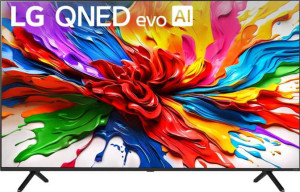
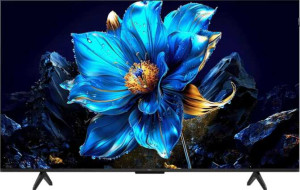
Both the LG 85QNED92AUA and the TCL 85P7K share a strong display foundation: identical 4K (3840 x 2160) resolution, 52 ppi pixel density, 10-bit color depth, 1.07 billion colors, and full 178º viewing angles in both directions. At this screen size, these shared traits mean both TVs will look sharp and broadly watchable from most seating positions.
The most impactful differentiator is the refresh rate: the LG runs at 120Hz while the TCL is limited to 60Hz. In practice, 120Hz makes a significant difference for fast-motion content — sports, action films, and especially gaming — where 60Hz can produce noticeable blur or judder. Reinforcing this, the LG also supports AMD FreeSync Premium (an enhanced tier with low-framerate compensation) versus the TCL′s base AMD FreeSync, making the LG a meaningfully better choice for gaming setups. On the backlighting side, the LG′s Mini-LED panel technology generally enables finer local dimming zones and better contrast control compared to the TCL′s standard QLED LCD approach, though actual contrast performance depends on implementation specifics not captured in these specs alone.
The one area where the TCL counters is HDR10+ support, which the LG lacks — TCL covers HDR10, HDR10+, Dolby Vision, and HLG, while LG covers all of those except HDR10+. HDR10+ uses dynamic metadata (similar to Dolby Vision) and is favored by Amazon and some Samsung-mastered content, so this is a real-world gap for certain streaming libraries. That said, the LG′s 120Hz refresh rate and Mini-LED backlight represent broader, more day-to-day advantages. Overall, the LG 85QNED92AUA holds a clear display edge for motion clarity and gaming; the TCL 85P7K is the better fit only if HDR10+ content compatibility is a priority.