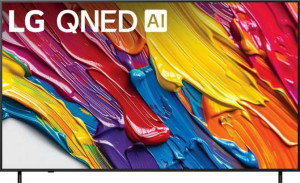
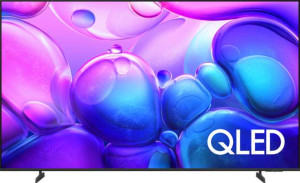
LG 86QNED82AUA 86"
Samsung QN75Q6FAAFXZA 75"

LG 86QNED82AUA 86" Samsung QN75Q6FAAFXZA 75"

Common Features

  • Both products have a 4K (UHD) resolution.
  • Both products support HDR10.
  • Both products have a 10-bit bit depth.
  • Both products have a 60Hz refresh rate.
  • Both products support HLG.
  • Both products have Bluetooth.
  • Both products have HDMI 2.1 ports.
  • Both products have 3 HDMI ports.
  • Both products support Wi-Fi.
  • Both products have 1 USB port.
  • Both products have 1 RJ45 port.
  • Both products support Miracast.
  • Both products support Dolby Digital.
  • Both products support Digital Out.
  • Both products support Dolby Digital Plus.
  • Both products have stereo speakers.
  • Both products support Dolby Audio.
  • Both products support USB recording.
  • Both products have AirPlay support.
  • Both products have built-in smart TV features.

Main Differences

  • The display type is LED-backlit, LCD, Mini-LED on LG 86QNED82AUA 86″ and QLED, LED-backlit, LCD on Samsung QN75Q6FAAFXZA 75″.
  • The screen size is 86.4″ on LG 86QNED82AUA 86″ and 74.5″ on Samsung QN75Q6FAAFXZA 75″.
  • The pixel density is 51 ppi on LG 86QNED82AUA 86″ and 59 ppi on Samsung QN75Q6FAAFXZA 75″.
  • HDR10+ support is not available on LG 86QNED82AUA 86″ but is present on Samsung QN75Q6FAAFXZA 75″.
  • Adaptive synchronization is AMD FreeSync on LG 86QNED82AUA 86″ and not available on Samsung QN75Q6FAAFXZA 75″.
  • The Bluetooth version is 5 on LG 86QNED82AUA 86″ and 5.3 on Samsung QN75Q6FAAFXZA 75″.
  • The LG 86QNED82AUA 86″ has Dolby Atmos, while the Samsung QN75Q6FAAFXZA 75″ does not.
  • The width is 1927.9 mm on LG 86QNED82AUA 86″ and 1668.8 mm on Samsung QN75Q6FAAFXZA 75″.
  • The weight is 32387 g on LG 86QNED82AUA 86″ and 22816 g on Samsung QN75Q6FAAFXZA 75″.
  • The thickness is 50.8 mm on LG 86QNED82AUA 86″ and 76.2 mm on Samsung QN75Q6FAAFXZA 75″.
  • The height is 1107.4 mm on LG 86QNED82AUA 86″ and 957.6 mm on Samsung QN75Q6FAAFXZA 75″.
  • The volume is 108455.788168 cm³ on LG 86QNED82AUA 86″ and 121770.867456 cm³ on Samsung QN75Q6FAAFXZA 75″.
  • The LG 86QNED82AUA 86″ does not work with Siri/Apple HomeKit, while the Samsung QN75Q6FAAFXZA 75″ does.
  • The operating power consumption is 181W on LG 86QNED82AUA 86″ and 151W on Samsung QN75Q6FAAFXZA 75″.
Specs Comparison
LG 86QNED82AUA 86"

LG 86QNED82AUA 86"

Samsung QN75Q6FAAFXZA 75"

Samsung QN75Q6FAAFXZA 75"

Display:
display resolution 4K (UHD) 4K (UHD)
Display type LED-backlit, LCD, Mini-LED QLED, LED-backlit, LCD
screen size 86.4" 74.5"
resolution 3840 x 2160 px 3840 x 2160 px
pixel density 51 ppi 59 ppi
display colors 1070 million 1070 million
bit depth 10-bit 10-bit
refresh rate 60Hz 60Hz
supports HDR10
supports HDR10+
supports Dolby Vision
supports HLG
Adaptive synchronization AMD FreeSync None
has anti-reflection coating
has an ambient light sensor
maximum horizontal viewing angle 178º 178º
maximum vertical viewing angle 178º 178º

The LG 86QNED82AUA 86″ and Samsung QN75Q6FAAFXZA 75″ both feature 4K (UHD) resolutions with a pixel count of 3840 x 2160 px, ensuring clear and sharp images. However, the LG model has a slightly larger screen size at 86.4″ compared to the Samsung's 74.5″. This results in a difference in pixel density, with the LG offering 51 ppi and the Samsung at 59 ppi. The Samsung’s higher pixel density suggests it may offer finer detail at a similar resolution, but the difference is unlikely to be very noticeable on a large screen unless viewed from very close.

Both TVs have 10-bit color depth and support HDR10 and HLG for improved image quality, but the Samsung has an edge with its additional support for HDR10+ (while the LG does not). Neither model supports Dolby Vision. As for display type, the LG uses a combination of LED-backlit, LCD, and Mini-LED technology, while the Samsung uses QLED along with LED-backlit, LCD, which might lead to slightly different visual experiences in terms of color vibrancy and contrast.

In terms of viewing angles, both the LG and Samsung offer the same maximum horizontal and vertical viewing angles of 178º, so you can expect wide and consistent image quality when viewing from different positions. The LG includes AMD FreeSync for adaptive synchronization, which can reduce screen tearing, but the Samsung lacks any adaptive synchronization feature. Both models have anti-reflection coatings and ambient light sensors to enhance viewing comfort in various lighting conditions.

Connectivity:
Has Bluetooth
HDMI version HDMI 2.1 HDMI 2.1
HDMI ports 3 3
supports Wi-Fi
Wi-Fi version Wi-Fi 4 (802.11n), Wi-Fi 5 (802.11ac) Wi-Fi 4 (802.11n), Wi-Fi 5 (802.11ac)
Bluetooth version 5 5.3
USB ports 1 1
RJ45 ports 1 1
supports Miracast
has a socket for a 3.5 mm audio jack
has an external memory slot
has a VGA connector
has a DVI connector

Both the LG 86QNED82AUA 86″ and Samsung QN75Q6FAAFXZA 75″ offer Bluetooth connectivity, with the LG supporting Bluetooth version 5 and the Samsung supporting the newer Bluetooth 5.3. Both models feature HDMI 2.1 with 3 HDMI ports, which allows for high-quality video and audio transfer, as well as advanced features like variable refresh rate. Both products also support Wi-Fi, using Wi-Fi 4 (802.11n) and Wi-Fi 5 (802.11ac), so you can easily connect to the internet wirelessly with similar performance on both devices.

In terms of wired connections, both models include 1 USB port and 1 RJ45 port for Ethernet, ensuring solid options for external devices and stable internet access. Additionally, both models support Miracast for wireless screen sharing. Neither TV has a socket for a 3.5 mm audio jack, an external memory slot, a VGA connector, or a DVI connector, so those looking for these types of ports will not find them on either model.

The main difference between the two products in this connectivity group is the Bluetooth version, with the Samsung offering the more recent Bluetooth 5.3, compared to the LG’s Bluetooth 5.0. Otherwise, the specifications across both models are almost identical, with both offering a solid selection of wireless and wired connectivity options.

Audio:
supports Dolby Digital
supports Digital Out
supports Dolby Digital Plus
has SRS TheaterSound HD
has stereo speakers
has Dolby Atmos
has Dolby Audio
supports Dolby Virtual
has a subwoofer
HDMI ARC / eARC HDMI ARC, HDMI eARC HDMI ARC, HDMI eARC

Both the LG 86QNED82AUA 86″ and Samsung QN75Q6FAAFXZA 75″ support Dolby Digital, Dolby Digital Plus, and Digital Out, ensuring high-quality sound and connectivity options for external audio devices. Both also feature stereo speakers, but the LG model goes a step further with Dolby Atmos support, which enhances the sound experience with more immersive, three-dimensional audio. The Samsung lacks Dolby Atmos but includes Dolby Audio, which provides audio improvements similar to Dolby Digital Plus but without the spatial enhancements of Atmos.

Neither TV includes a subwoofer, so the low-end audio might not be as pronounced compared to models with dedicated bass units. Both models support HDMI ARC and HDMI eARC, which enables easy connection to soundbars or AV receivers for better audio performance through a single HDMI cable.

In terms of audio features, the main distinction is the inclusion of Dolby Atmos in the LG model, which is not present on the Samsung. Both TVs support Dolby Audio, but the LG offers a more advanced audio experience with its Atmos technology.

Design:
width 1927.9 mm 1668.8 mm
weight 32387 g 22816 g
thickness 50.8 mm 76.2 mm
height 1107.4 mm 957.6 mm
volume 108455.788168 cm³ 121770.867456 cm³
Supports VESA mount

The LG 86QNED82AUA 86″ and Samsung QN75Q6FAAFXZA 75″ differ in their physical dimensions. The LG model is wider at 1927.9 mm compared to the Samsung's 1668.8 mm, making it significantly larger in overall width. The LG is also taller, measuring 1107.4 mm, while the Samsung stands at 957.6 mm. Despite its larger size, the LG is heavier, weighing 32,387 g, compared to the Samsung’s 22,816 g, reflecting the larger screen size and potentially different build materials.

In terms of thickness, the Samsung is thicker at 76.2 mm, while the LG is thinner at 50.8 mm. This could make the LG model more streamlined, while the Samsung may have a bulkier design. The volume of the two models also differs, with the Samsung having a larger total volume at 121,770.87 cm³ compared to the LG’s 108,455.79 cm³, which aligns with its thicker build.

Both models support VESA mounting, so you can easily mount them to the wall if desired. However, the physical differences in size and weight suggest that the LG model will require more wall support due to its larger size and heavier weight, whereas the Samsung’s more compact dimensions might make it easier to mount on a variety of wall setups.

Features:
release date April 2025 April 2025
has AirPlay
has built-in smart TV
compatible with Google Assistant
works with Alexa
works with Siri/Apple HomeKit
supports a remote smartphone
has a rechargeable remote control
supports USB recording
operating power consumption 181W 151W
standby power consumption 0.5W 0.5W
has a search browser
has a sleep timer
has a child lock
warranty period 1 years 1 years
has voice commands

Both the LG 86QNED82AUA 86″ and Samsung QN75Q6FAAFXZA 75″ come with AirPlay support, built-in smart TV functionality, and compatibility with Google Assistant and Alexa, allowing for easy integration into a smart home setup. However, the Samsung model stands out with its additional support for Siri/Apple HomeKit, which the LG does not have. Both models also support remote smartphone control, but neither includes a rechargeable remote control.

In terms of power consumption, the LG consumes 181W during operation, while the Samsung uses slightly less at 151W. Both models have identical standby power consumption at 0.5W. They also offer useful features such as a search browser, sleep timer, and child lock. Additionally, both TVs come with a one-year warranty period and support voice commands for hands-free operation.

Both products share many features, but the key difference lies in the Samsung’s support for Siri/Apple HomeKit, which the LG lacks. Additionally, the Samsung is more power-efficient in terms of operating power consumption.

Comparison Summary

This is a specification comparison between LG 86QNED82AUA 86″ and Samsung QN75Q6FAAFXZA 75″. Both models share a 4K (UHD) resolution, support for HDR10, and have Bluetooth and Wi-Fi. However, the LG 86QNED82AUA 86″ features a larger screen size of 86.4″ compared to the Samsung's 74.5″, with a lower pixel density of 51 ppi versus 59 ppi on the Samsung. The LG also supports AMD FreeSync, while the Samsung lacks adaptive synchronization. Furthermore, the LG 86QNED82AUA 86″ has a higher operating power consumption of 181W compared to 151W on the Samsung.