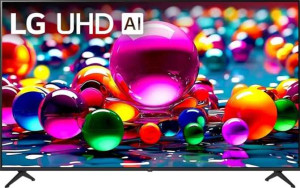
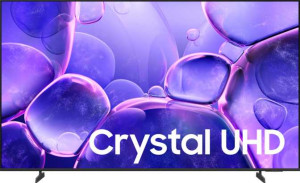
Both the LG 86UA7700AUA and the Samsung UN85U8000FF share the same foundational display architecture: LED-backlit LCD panels with a 4K (3840 x 2160) resolution, 10-bit color depth, 1070 million colors, and a 60Hz refresh rate. In practice, this means both sets deliver the same level of color gradation and motion handling at the panel level, with no advantage to either side on these core attributes. Viewing angles are identical at 178º both horizontally and vertically, and both include an anti-reflection coating and ambient light sensor — so neither has an edge in usability or ergonomic adaptability.
The most meaningful differentiator in this group is HDR format support. Both TVs support HDR10 and HLG, but only the Samsung also supports HDR10+. HDR10+ is a dynamic metadata format — unlike static HDR10, it adjusts brightness and contrast settings scene by scene, which can result in more accurate highlight and shadow rendering on compatible content. Neither TV supports Dolby Vision, so for users with a library of Dolby Vision content this is a moot point, but for HDR10+ encoded titles (increasingly common on Amazon Prime Video and select 4K Blu-rays), the Samsung delivers a more optimized viewing experience.
The other minor distinction is physical screen size: the LG measures 86.4″ versus the Samsung's 84.5″, a roughly 2-inch difference that is largely imperceptible in a real living room setup. Overall, the Samsung UN85U8000FF holds a clear edge in this group, solely due to its HDR10+ support — a tangible advantage for future-proofing and content compatibility, while all other display specs are effectively equivalent.