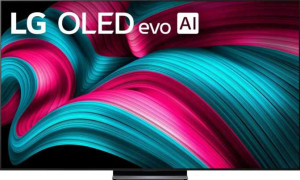
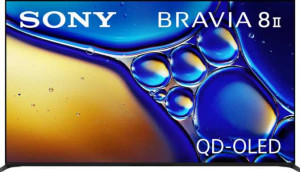
Both the LG OLED65C5PUA and the Sony Bravia XR80M2 share an identical display specification profile at their core: both are OLED/AMOLED panels running at 3840 x 2160 (4K UHD) resolution with a 68 ppi pixel density, 10-bit color depth rendering 1.07 billion colors, and a native 120Hz refresh rate. In practical terms, this means both TVs deliver the hallmark OLED advantages — perfect blacks, infinite contrast, and wide color volume — with motion smooth enough for high-frame-rate content and gaming.
HDR format support is also a mirror image between the two: both handle HDR10, Dolby Vision, and HLG, but neither supports HDR10+. This is a meaningful shared limitation for users invested in the Amazon/Samsung HDR10+ ecosystem, though Dolby Vision coverage ensures compatibility with the vast majority of streaming HDR content. Both panels also feature anti-reflection coatings, ambient light sensors, and identical 178° horizontal and vertical viewing angles — the widest possible, as expected from OLED technology.
The only measurable difference between the two is physical screen size: the LG measures 65.1″ while the Sony comes in at 64.5″ — a gap of just 0.6 inches that is imperceptible in real-world viewing. Based strictly on the provided display specs, these two TVs are effectively tied. Neither holds a meaningful display advantage over the other; the decision between them should rest on other spec groups such as processing, audio, or connectivity.