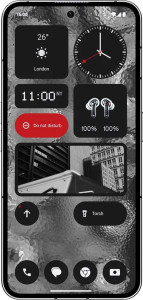
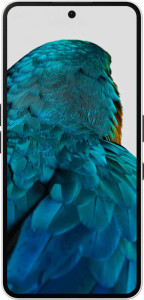
Both phones share a solid OLED foundation — 120Hz refresh rate, 800 nits typical brightness, HDR10+ support, and Always-On Display — so the baseline experience is comparable. Where they diverge sharply is pixel density. The Nothing Phone 3 resolves its display at 460 ppi versus 387 ppi on the Phone (3a), a difference clearly visible when reading fine text, viewing detailed photos, or using small UI elements. The Phone 3's higher resolution panel is one of its most tangible everyday advantages.
The touch sampling rate gap is equally striking. The Phone 3's 1000Hz touch sampling — versus just 240Hz on the Phone (3a) — means the screen registers input far more frequently per second, translating to noticeably snappier responsiveness in fast-paced games and precise gestures. For casual users this difference is minor, but for gamers or power users, it matters. The Phone 3 also ships with branded damage-resistant glass, which the Phone (3a) lacks entirely — an omission that raises long-term durability concerns for the screen.
The Phone (3a) does score a surprising win in contrast ratio at 5,000,000:1 compared to the Phone 3's 1,000,000:1, which on paper should yield deeper blacks and more vivid highlights. Its panel is also marginally larger at 6.77 inches. Still, these advantages don't offset the Phone 3's lead in sharpness, touch responsiveness, and screen protection. On balance, the Phone 3 holds a clear display edge for users who prioritize visual fidelity and input precision.