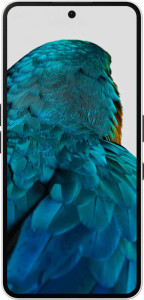
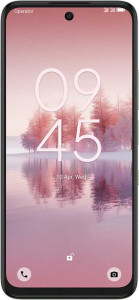
Megapixel counts can be misleading, and this comparison is a prime example. The TCL 60 NxtPaper 4G leads with a 108 MP main sensor, but its second lens is a bare 2 MP auxiliary — effectively a depth helper with minimal practical utility. The Nothing Phone (3a), by contrast, fields a genuine triple-camera system with two capable 50 MP lenses and an 8 MP tertiary shooter, giving it real photographic versatility. Critically, the Nothing also includes optical image stabilization (OIS), which the TCL entirely lacks. OIS physically compensates for hand tremor during capture, producing sharper photos in low light and smoother handheld video — its absence on the TCL is a meaningful everyday limitation.
The video and zoom gaps are equally stark. The Nothing shoots up to 4K at 30fps, while the TCL tops out at 1080p at 30fps — a full resolution tier behind. For anyone who records travel footage, events, or content intended for a large screen, that difference is visible. The Nothing also offers 2x optical zoom (lossless, using the second 50 MP sensor) versus the TCL's 0x optical zoom, meaning TCL users are limited to digital cropping, which degrades image quality. Slow-motion recording and timelapse mode are present on the Nothing and absent on the TCL, further narrowing the latter's creative toolkit.
Front cameras are the one area of parity — both offer 32 MP selfie shooters, with the TCL's marginally wider f/2.0 aperture versus the Nothing's f/2.2 being a negligible real-world distinction. Overall, the Nothing Phone (3a) wins this category decisively: OIS, 4K video, genuine optical zoom, and a more capable multi-lens system add up to a substantially more versatile camera package across virtually every use case.