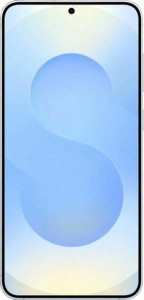
Connectivity fundamentals are well-matched: both phones support 5G, Wi-Fi 7, Bluetooth 5.4, NFC, and GPS with Galileo. For most users, day-to-day wireless performance will feel identical. The differences emerge in the details. The Galaxy S25 adds Wi-Fi 6E support, which unlocks the less congested 6 GHz band for faster, more stable connections in crowded environments like offices or apartments with many competing networks. More practically significant is its USB 3.2 interface versus USB 2.0 on the OnePlus 13T — a meaningful gap for anyone who transfers large files, uses the phone as a webcam, or connects external storage, where USB 3.2 delivers dramatically faster throughput.
SIM flexibility also favors the S25, which supports 2 physical SIMs plus 2 eSIMs — useful for travelers or users managing personal and work lines digitally without swapping cards. The OnePlus 13T tops out at 2 physical SIMs with no eSIM support. On the sensor side, the trade is reversed: the OnePlus carries an infrared sensor (handy as a universal remote control), while the S25 counters with a barometer and ANT+ support — the latter being relevant to fitness enthusiasts using ANT+ sports equipment like cycling sensors.
Neither phone dominates comprehensively, but the Galaxy S25 edges ahead in this group. Its USB 3.2 port, Wi-Fi 6E, and expanded eSIM capability represent more broadly impactful advantages than the OnePlus 13T's infrared sensor — giving the S25 a modest but meaningful connectivity edge for power users.