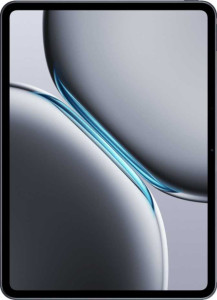
The performance gulf between these two tablets is wide and measurable. The OnePlus Pad 2 Pro runs on a 3 nm chip with peak CPU cores clocked at 4.32 GHz, while the Samsung Galaxy Tab S10 Lite uses a 5 nm process with cores topping out at 2.4 GHz. The Geekbench 6 scores make the real-world gap concrete: the Pad 2 Pro posts a multi-core score of 10,059 versus the Tab S10 Lite's 2,758 — nearly four times higher. Single-core results tell the same story at 3,234 versus 1,007. In practice, this means the Pad 2 Pro handles demanding workloads — video editing, large multitasking sessions, high-fidelity gaming — with significantly more headroom, while the Tab S10 Lite is suited to everyday tasks like browsing, streaming, and light productivity.
Memory architecture compounds this advantage further. The Pad 2 Pro ships with 16 GB of RAM running at 5,300 MHz with a maximum ceiling of 24 GB, compared to the Tab S10 Lite's 8 GB at 3,200 MHz with no upgrade path beyond that. Faster, more abundant RAM means the Pad 2 Pro keeps more apps alive in the background and processes large files substantially quicker. On the GPU side, the Pad 2 Pro's Adreno 830 at 1,100 MHz and its 85.1 GB/s memory bandwidth dwarf the Tab S10 Lite's Mali G68 MP5 at 950 MHz and 51.2 GB/s — a telling difference for graphics-intensive applications. Internal storage also doubles, at 512 GB versus 256 GB, with neither device offering a memory card slot.
The Tab S10 Lite's lower 5W TDP suggests its chip runs cooler and potentially more efficiently under light loads, which may benefit battery longevity in casual use. But that is the only concession worth noting. Across every meaningful performance metric — compute speed, memory capacity and bandwidth, GPU throughput, and storage — the OnePlus Pad 2 Pro has an unambiguous and commanding advantage, making it the clear choice for any user who demands sustained, high-performance computing from a tablet.