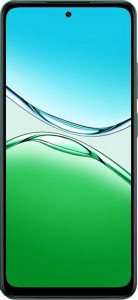
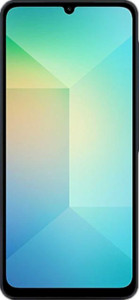
In terms of physical dimensions, the two phones are remarkably close. Both share an identical 8 mm thickness, and their weight difference is negligible — 194 g for the Oppo A5 5G versus 191 g for the Samsung Galaxy A06 5G. The A06 5G is marginally taller and wider, resulting in a slightly larger overall volume (103.46 cm³ vs 101.01 cm³), but in hand these differences would be virtually imperceptible. Neither device is rugged-built or foldable, so both target the same mainstream, everyday-use audience.
The most meaningful differentiator in this group is the IP rating. The Oppo A5 5G carries an IP65 certification, while the Samsung Galaxy A06 5G is rated IP54. This distinction matters more than it might appear: IP65 guarantees full dust ingress protection (the ″6″ digit) and resistance to low-pressure water jets from any direction, whereas IP54 only offers partial dust protection and guards against water splashes. In practice, the Oppo is meaningfully better equipped for dusty environments — like construction sites or sandy beaches — and can handle a more direct stream of water, such as being rinsed under a tap.
Overall, the Oppo A5 5G holds a clear edge in the Design category, solely due to its superior IP65 rating. If you are likely to use your phone in dusty or wetter conditions, that extra protection is a tangible, real-world advantage. On all other design attributes — weight, thickness, and form factor — the two devices are effectively tied.