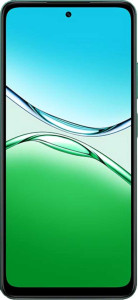
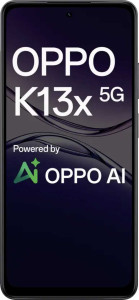
While both phones share the same 6.67″ screen size, identical 264 ppi pixel density, and identical 720 x 1604 px resolution, the display category is where the K13x 5G pulls ahead in a meaningful way. Its OLED/AMOLED panel versus the A5x's LCD IPS panel is a qualitative leap — OLED technology delivers true blacks, higher contrast ratios, and more vibrant colors by lighting pixels individually, while LCD relies on a backlight that limits contrast and color depth. For media consumption and everyday visual experience, this difference is immediately noticeable.
The K13x 5G also edges ahead on smoothness with a 120Hz refresh rate compared to the A5x's 90Hz. That extra 30 frames per second translates to noticeably more fluid scrolling and animations in daily use. Additionally, the K13x 5G gains an Always-On Display — a practical feature that lets users check time, notifications, and status without waking the screen fully, something the A5x entirely lacks. The A5x does counter with branded damage-resistant glass, offering better protection against scratches and minor drops on the screen surface — a real-world durability advantage the K13x 5G does not match.
On balance, the Oppo K13x 5G holds a clear display advantage. The OLED panel and 120Hz refresh rate are significant upgrades that affect the phone's look and feel every single day. The A5x's damage-resistant glass is a worthwhile trade-off for users who prioritize screen durability, but for pure display quality, the K13x 5G wins this category decisively.