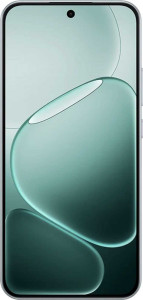
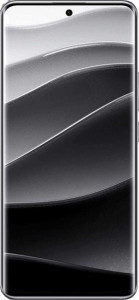
Both phones share the same core display technology — OLED/AMOLED panels with a 120Hz refresh rate, 1080p resolution, and nearly identical pixel densities (~395–397 ppi). At those sharpness levels, individual pixels are imperceptible to the naked eye on either device, so day-to-day content will look crisp and smooth on both. The Redmi Note 14 Pro 4G's screen is marginally larger at 6.67″ versus 6.57″, but the difference is minimal in practice.
Where the two displays diverge sharply is brightness and HDR support. The Redmi Note 14 Pro 4G reaches a typical brightness of 1800 nits, compared to just 600 nits on the Oppo A6 Pro 5G — a threefold gap that translates directly to outdoor legibility. In bright sunlight, the Redmi's screen will remain clearly visible while the Oppo's will likely require shade or manual squinting. The Redmi also supports HDR10, HDR10+, and Dolby Vision, meaning compatible streaming content from platforms like Netflix or Amazon Prime will render with a wider dynamic range, richer contrast, and more accurate highlights. The Oppo supports none of these standards.
The Redmi Note 14 Pro 4G also includes an Always-On Display, a quality-of-life feature that keeps time, notifications, and widgets visible without waking the screen. Taken together, the brightness advantage, full HDR ecosystem support, and AOD capability give the Redmi Note 14 Pro 4G a decisive and unambiguous edge in this category — it is the stronger display by a considerable margin.