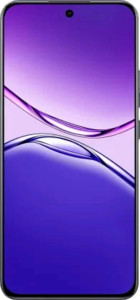
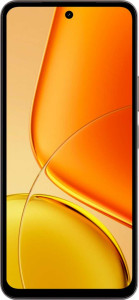
The single most impactful differentiator here is panel technology. The Oppo F29 Pro 5G uses an OLED/AMOLED display, while the Vivo Y31 Pro 5G relies on an LCD IPS panel. This distinction carries real-world consequences: AMOLED delivers true blacks by switching off individual pixels, resulting in superior contrast, more vivid colors, and better visibility in direct sunlight. LCD panels, even good IPS ones, use a backlight that prevents true blacks and generally produce a flatter image. For media consumption, gaming, or any color-sensitive work, the AMOLED panel on the F29 Pro is a tangible upgrade in everyday visual experience.
Where the two phones converge is almost everywhere else. Screen sizes are virtually identical at 6.7″ vs 6.72″, pixel density is a statistical tie at 394 ppi vs 393 ppi, and both run at a smooth 120Hz refresh rate — meaning scrolling and animations feel equally fluid on both devices. Neither supports HDR10, HDR10+, or Dolby Vision, so premium streaming HDR formats are off the table for both.
One additional edge belongs to the F29 Pro: it supports an Always-On Display, which lets users glance at the time, notifications, or widgets without waking the screen — a convenience feature the Y31 Pro lacks entirely, and one that AMOLED makes power-efficient since only active pixels consume energy. Overall, the Oppo F29 Pro 5G has a clear display advantage, driven by its superior panel technology and the Always-On Display feature, despite the two phones being otherwise nearly identical in size, sharpness, and refresh rate.