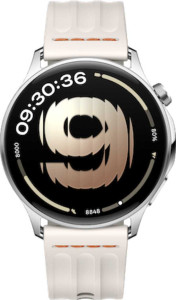
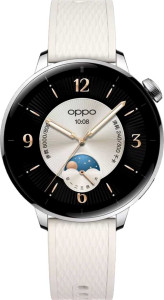
A rich common ground exists between these two watches — both handle calls, notifications, voice commands, VO2 max measurement, resting heart rate tracking, and fast/slow heart rate alerts. For most users, that shared core already covers daily smartwatch expectations comfortably. The real story, though, lies in where each watch chooses to go further.
The Oppo Watch S makes a stronger case for health-conscious users, stacking ECG technology, HRV tracking, irregular heart rate warnings, and a readiness level indicator — features the X2 Mini entirely omits. ECG in particular is clinically meaningful, capable of detecting atrial fibrillation patterns, while HRV and readiness scores give athletes and wellness-focused users a daily window into recovery and stress levels. The X2 Mini's absence of these features is a notable step down for anyone prioritizing cardiovascular health monitoring. On the other side, the X2 Mini offers a phone locator function and, more significantly, 32 GB of internal storage versus just 4 GB on the Watch S — an eight-fold difference that has real implications for storing music or data locally, especially relevant given the X2 Mini's cellular capability noted in the connectivity group.
This group leans toward the Oppo Watch S for health-first users, given its substantially deeper cardiac monitoring toolkit. The X2 Mini counters with far greater storage capacity, which matters most for users who want a more independent, phone-free experience. The right choice here depends squarely on whether advanced health metrics or local storage capacity ranks higher in a buyer's priorities.