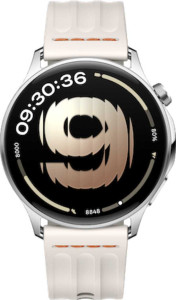
The software experience across both apps is built on a near-identical foundation: activity reports, inactivity alerts, goal setting, achievements, exercise diary, music playback, water intake, weight tracking, period notifications, and widget support are all present on both platforms. For the everyday user, this shared core means neither watch is at a software disadvantage for general wellness and fitness management.
The divergences, though few, are meaningful in different directions. The Redmi Watch 5 app adds coaching and route support — coaching provides structured guidance that can benefit users newer to fitness tracking, while route support enables planned or recorded workout paths, a practical tool for cyclists and runners. The Oppo Watch S app counters with temperature tracking and calendar sync — the former ties neatly into the watch's onboard temperature sensor for trend monitoring, while calendar integration streamlines daily scheduling directly from the wrist without manual entry.
This category is effectively a strategic tie with diverging strengths. The Redmi app appeals more to performance-oriented and route-focused users, while the Oppo app is better suited to health-conscious users who want richer biometric tracking and tighter productivity integration. Neither app's exclusive features are dominant enough to declare an outright winner — the right choice depends entirely on which missing capability matters more to the individual user.