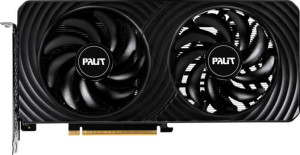
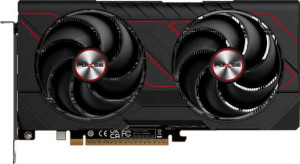
Both cards share a solid common foundation: DirectX 12 Ultimate, OpenGL 4.6, ray tracing support, and multi-display capability. These shared features mean neither card is at a disadvantage for modern game compatibility or general API support. The OpenCL difference — 3.0 on the RTX 5050 versus 2.2 on the RX 9060 XT — is worth noting for GPU compute workflows, as OpenCL 3.0 brings a more modular and forward-looking feature set, though real-world impact depends heavily on the specific software being used.
The most consequential divergence in this group is upscaling support. The RTX 5050 supports DLSS, NVIDIA's AI-driven upscaling technology, while the RX 9060 XT does not support DLSS and neither card supports XeSS. For gaming, DLSS can deliver a meaningful boost in frame rates with minimal visual quality loss, making it a practical advantage in supported titles — of which there are many. The RX 9060 XT's lack of any listed upscaling technology here is a notable omission in its feature profile. Additionally, the RTX 5050 supports up to 4 displays versus 3 on the RX 9060 XT, which matters for multi-monitor power users, and it also includes RGB lighting for those who prioritize build aesthetics.
Based strictly on the provided specs, the Palit RTX 5050 holds the edge in this group. DLSS support alone is a meaningful real-world differentiator for gamers, and the combination of a higher display count, RGB lighting, and a newer OpenCL version gives it a broader feature advantage. The RX 9060 XT matches on the core compatibility specs but trails where the practical extras are concerned.